Sliding door repairs · Luxembourg
Faulty sliding door? First identify the type – then carry out the right repair.
PSK tilt-and-slide door or lift-and-slide door? Many customers do not know the technical term. You do not need to. PLANIGRAPH identifies the door type and fault from its operation, handle, track area and photos, and guides you straight to the appropriate repair service.
 Send a photo via WhatsApp
All brands
From Biwer, serving Luxembourg
Your service. Our craftsmanship.
PSK tilt-and-slide or lift-and-slide door?
How to tell the difference.
Many customers do not know the technical term for their sliding door. That is not a problem. The way it operates, the handle movement, the tilt function and the lower track area usually make it easy to identify the system installed.
Parallel tilt-and-slide
PSK door
Typical features
- The moving sash can be tilted and slid sideways.
- To slide, the sash is moved out of its sealed position.
- Roller carriages, scissor stays and perimeter hardware work together.
- The handle controls several operating modes.
Common problems
- The sash no longer tilts or is sagging.
- The handle is difficult or impossible to turn.
- The door does not move smoothly into the closed position.
- Roller carriages, scissor stay or corner drive are worn.
HS / Lift-and-slide
Lift-and-slide door
Typical features
- Usually a large, heavy sliding sash.
- Turning the handle lifts the sash.
- It then slides sideways on rollers along the track.
- To close, it is lowered again; there is typically no tilt position.
Common problems
- The sash is difficult to move, judders or jams.
- The sash cannot be raised or lowered.
- A roller, the gearbox or the handle mechanism is faulty.
- The door is not weathertight or does not close reliably.
Not sure? Photos are often enough.
Four photos help us make an initial assessment.
You do not need to identify whether you have a PSK or lift-and-slide door, or which manufacturer supplied the hardware. Send us these views with a brief description of the fault. We will identify the mechanism and forward your enquiry to the appropriate service team.
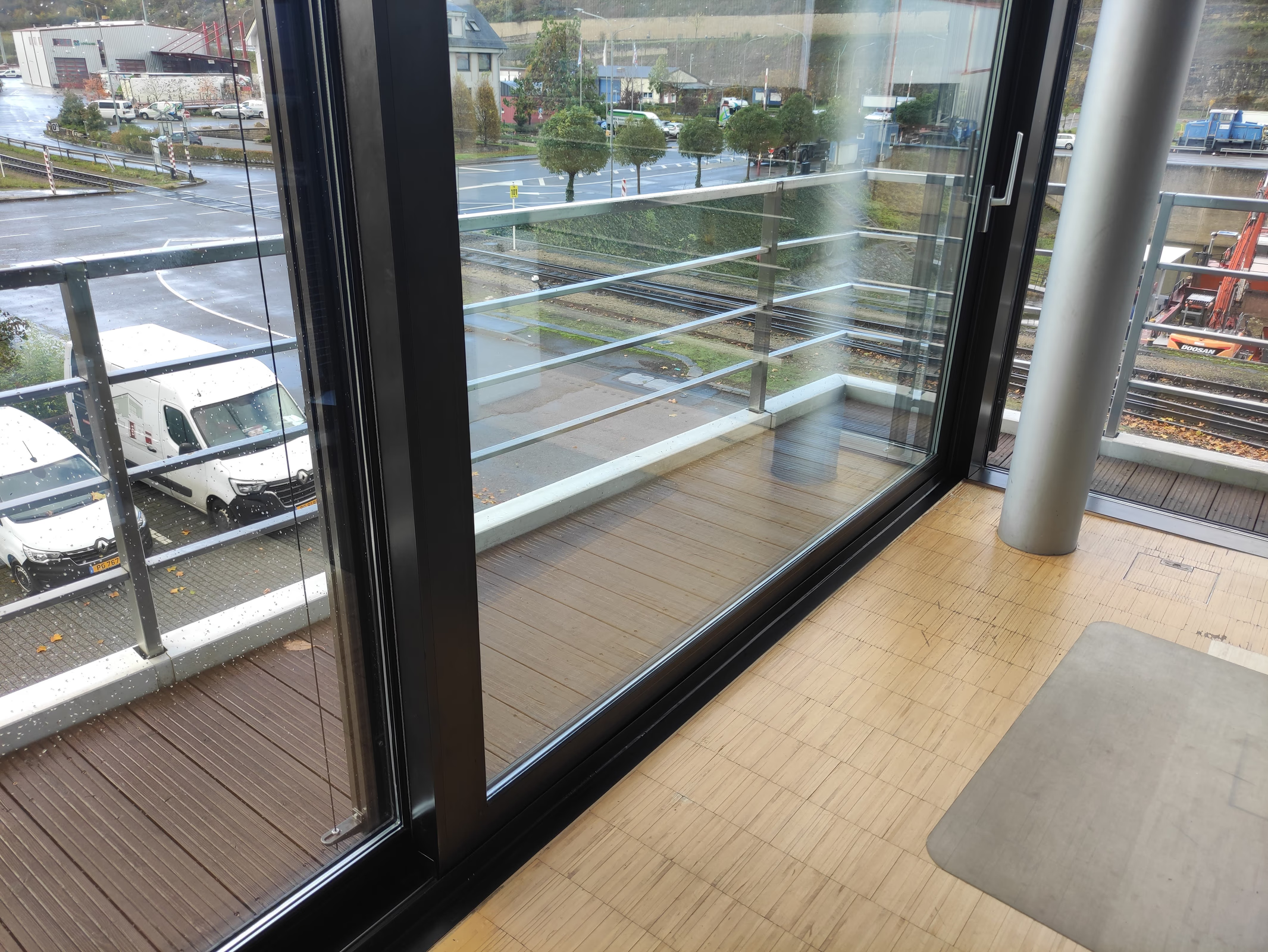
Full view
Photograph the entire sliding door from the inside. This allows us to see the layout, sash size and door type.
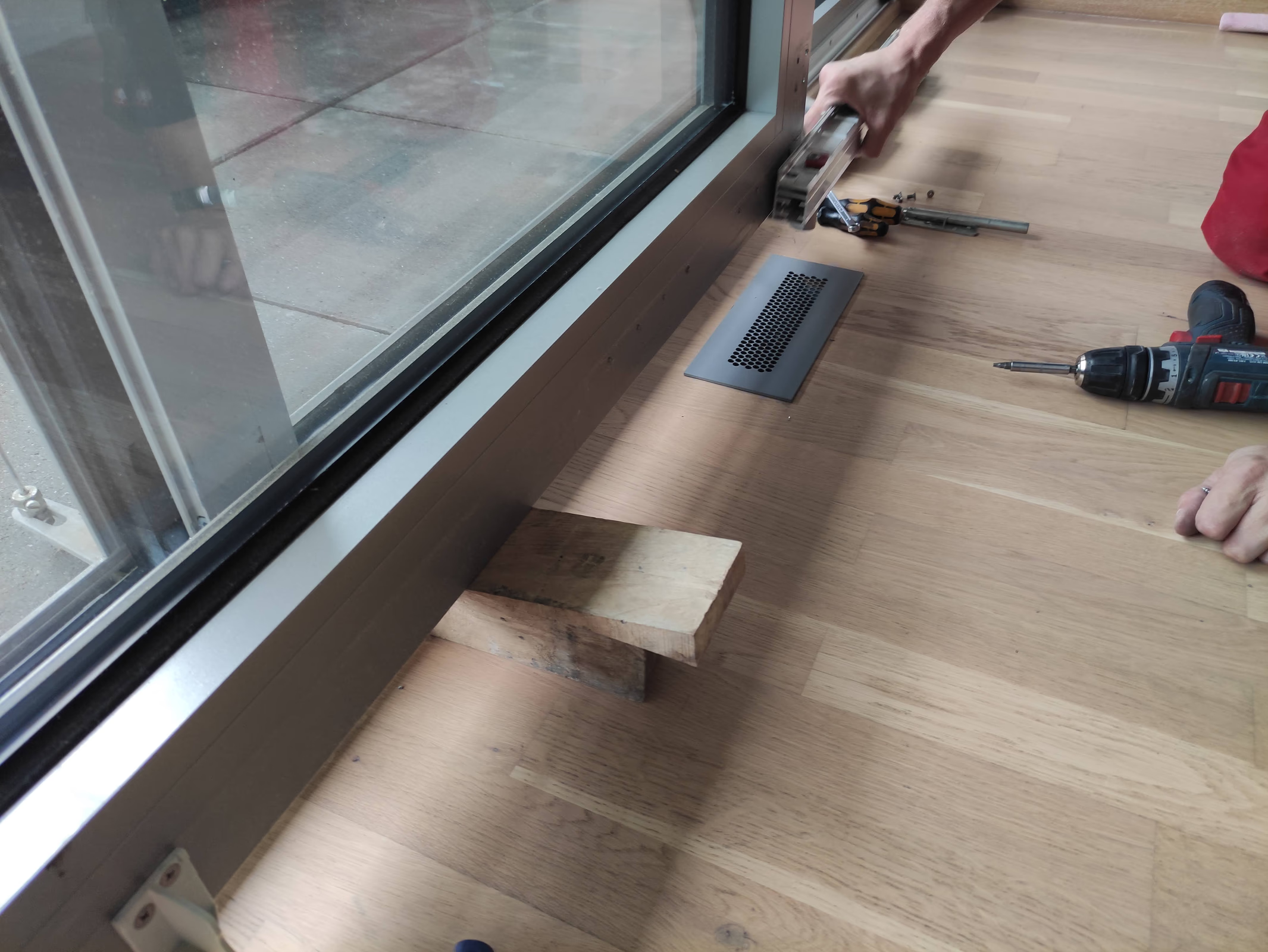
Handle & position
A photo of the handle and its position helps us identify whether the door uses a PSK or lift-and-slide mechanism.
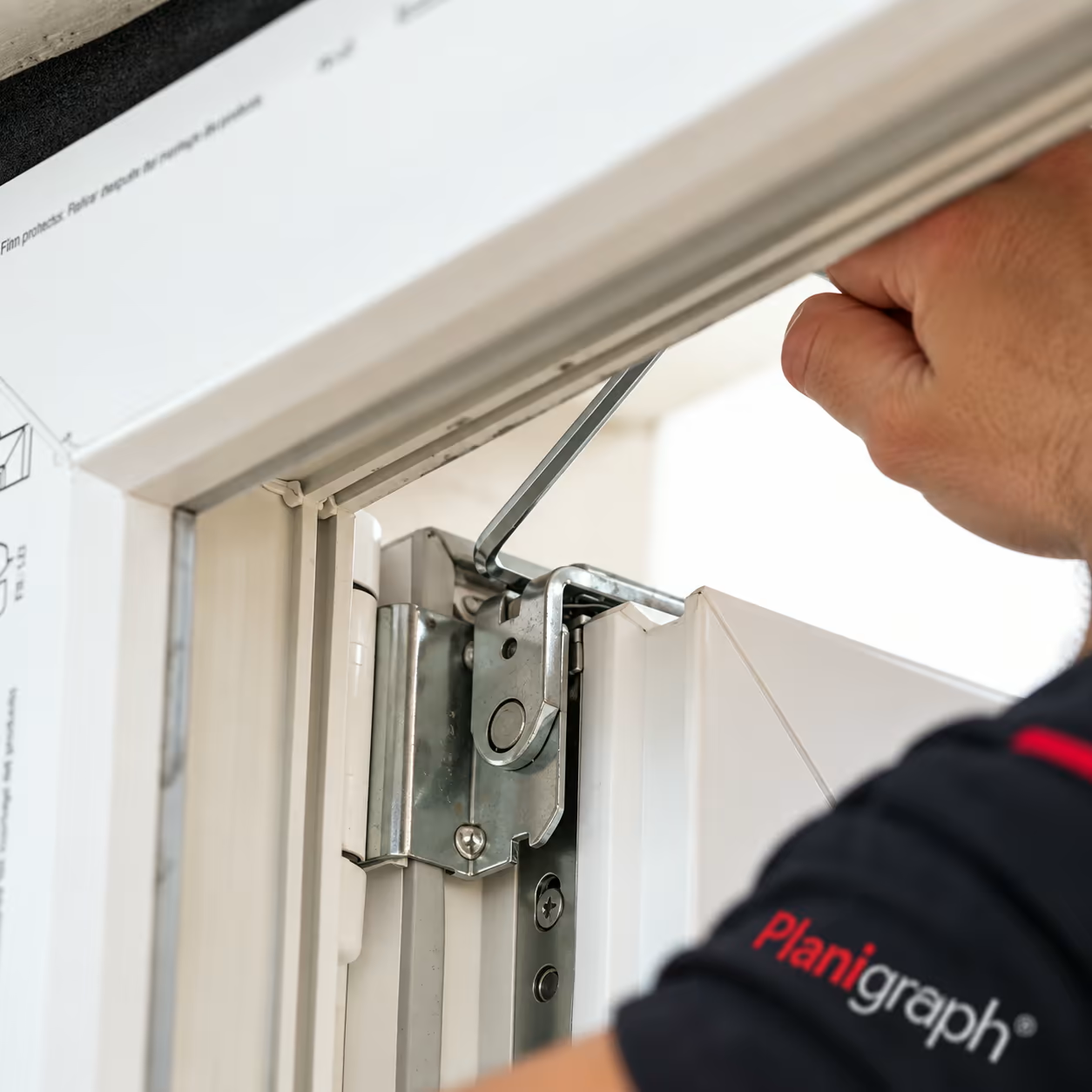
Lower track area
The track, threshold and visible roller mechanism provide important clues about the door type and possible fault.
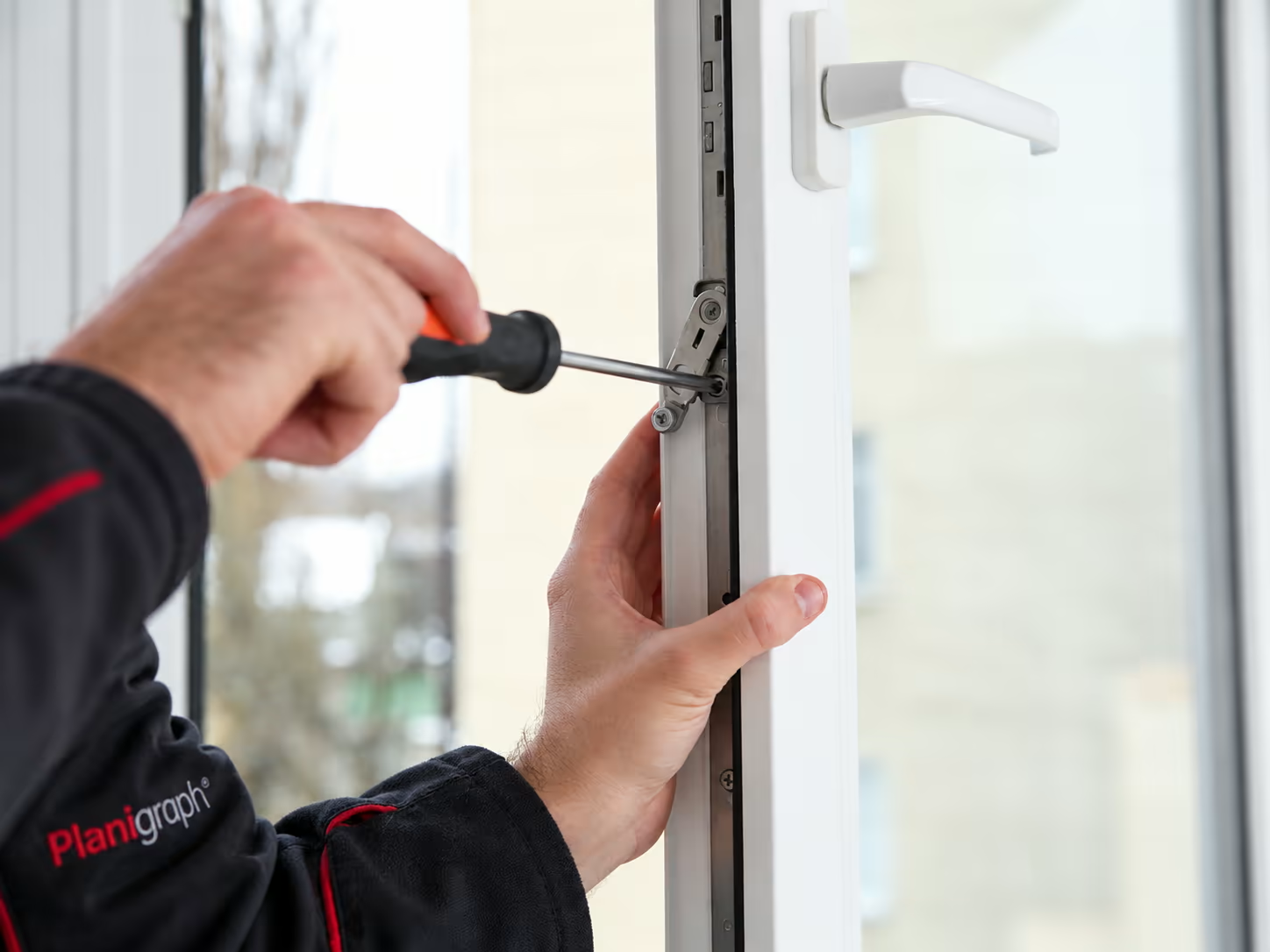
Hardware / identification plate
Photograph any visible identification markings – please do not remove any covers just to take a photo.
Common problems
Common faults with sliding doors.
Stiff operation or a jammed handle are symptoms – the cause can lie in very different parts of the door. That is why we assess the system as a whole.
01
Roller carriages & rollers
Wear, breakage or dirt in the running gear can affect movement and the position of the door panel.
02
Handle, gearbox & hardware
Depending on the system, the handle controls the locking, tilt function or lift-and-lower mechanism. Any jamming must be diagnosed with the specific system in mind.
03
Track & door panel position
A damaged running track or incorrect adjustment can make the door difficult to move, cause noise and prevent it from closing evenly.
04
Seals & glass
Draughts, moisture, damaged seals or broken glass are assessed separately from the mechanism.
Keep the existing door where technically appropriate
A faulty roller carriage or gearbox does not automatically mean the sliding door needs replacing.
Targeted repair
If the frame, door panel and glass are intact, replacing individual mechanical components can be a cost-effective way to keep the existing door.
New solution
If the design, condition or availability of spare parts makes a lasting repair unviable, we explain the alternative clearly.
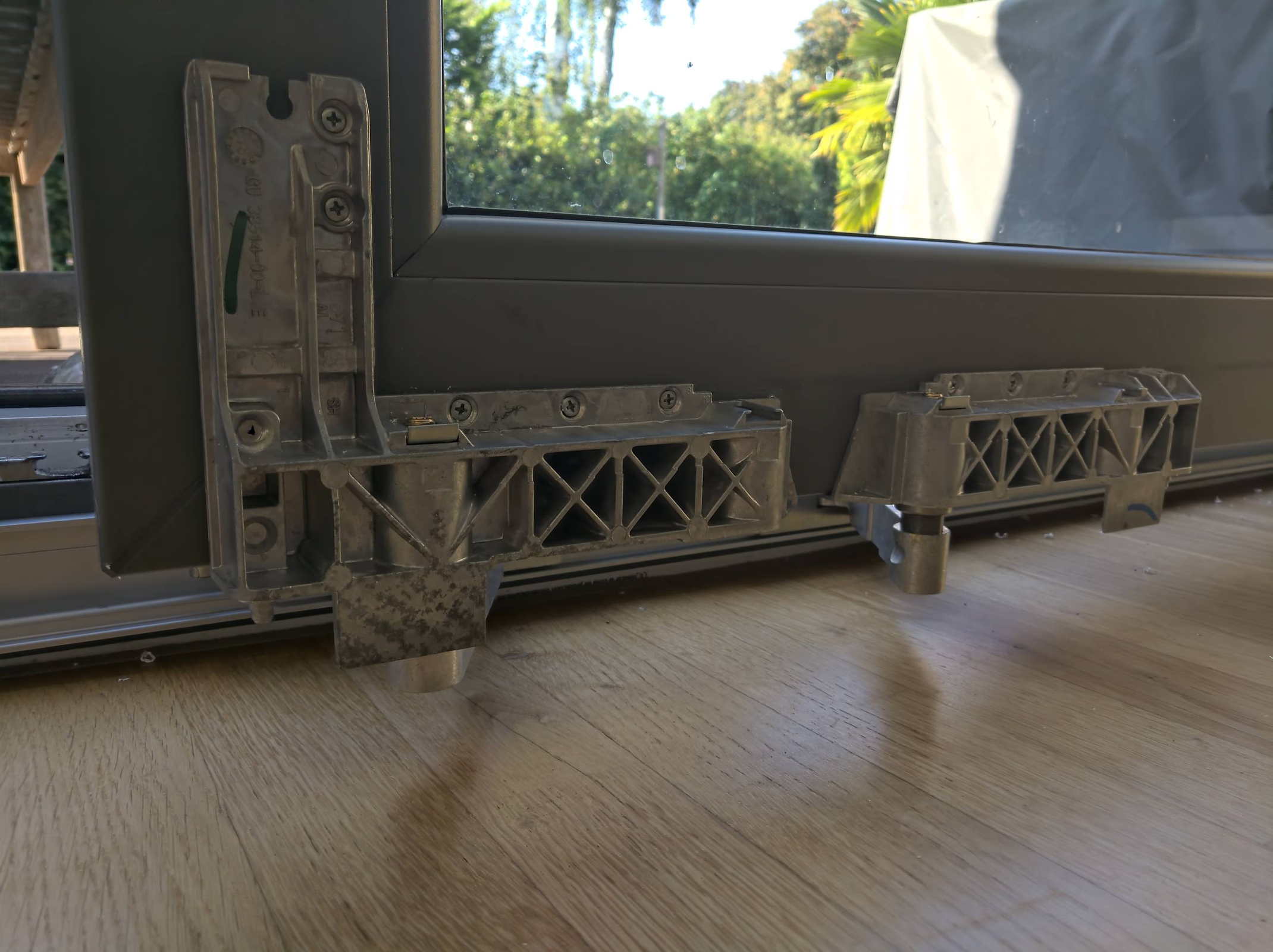
Multi-brand diagnostics
Hardware, not brand guesswork.
Sliding doors use a range of profile and hardware systems. For repairs, it is therefore essential to establish which mechanism is actually fitted. Manufacturer markings are helpful, but are not always strictly necessary.
- First identify the type: parallel slide-and-tilt (PSK) or lift-and-slide
- Photograph manufacturer and hardware markings
- Assess the mechanism, sash weight and damage together
- Assess spare part options only once the mechanism has been identified.
Well prepared
Your questions before the service appointment.
What is the difference between a parallel slide-and-tilt (PSK) door and a lift-and-slide door?
A parallel slide-and-tilt (PSK) door can typically be tilted and slid sideways. With a lift-and-slide door, the heavy sash is raised using the handle, moved on rollers and lowered again to close.
How can I identify the type of sliding door I have?
Look at the tilt function, the handle movement and the lower running track area. If you are unsure, send us photos showing the whole door, the handle, the track and any visible markings.
Do I need to know the manufacturer?
No. Manufacturer or hardware markings are helpful, but photos of the door type and mechanism are often sufficient for an initial identification.
Can an old sliding door still be repaired?
Often, yes. The deciding factors are the condition of the frame, sash and glass, as well as the availability of mechanisms and spare parts.
What should I avoid if my sliding door is difficult to move?
Avoid forcing the handle or sash. This can put additional strain on a jammed mechanism. Document the problem and have the cause checked.
Do you also repair glass damage or break-in damage to sliding doors?
Yes. Glass breakage and break-in damage are assessed separately and coordinated with the mechanical repair.
Suitable options
Servicing, repairs and sensible alternatives go hand in hand.
PSK repairs
Roller carriages, scissor stays, corner drive and handle.
Lift-and-slide door repair
Rollers, gearbox, track and seals.
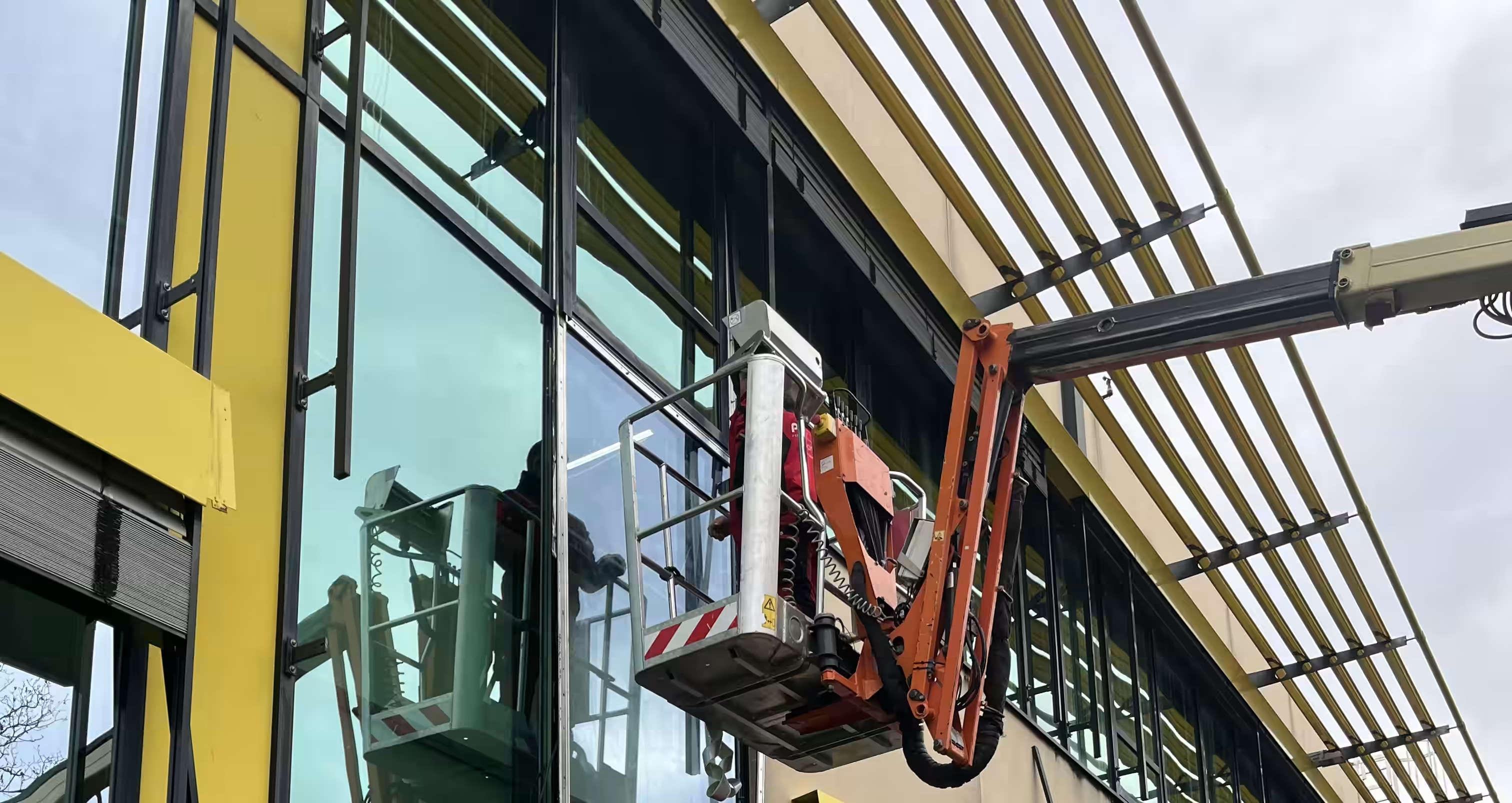
Glass Repair & Replacement
Professionally assess damaged glazing.
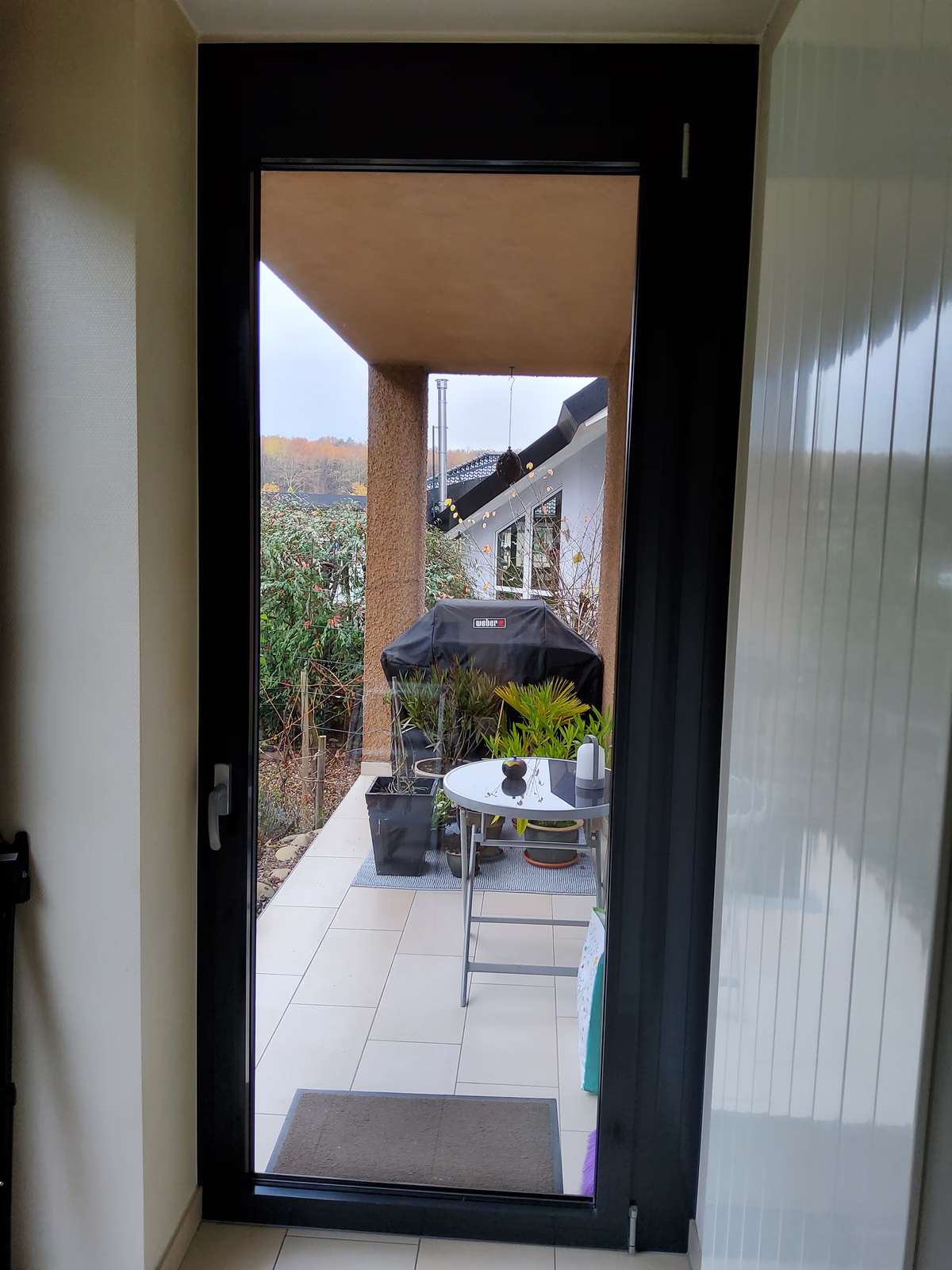
Repair of break-in damage
Assess damage to sliding doors following a break-in.
Your service. Our craftsmanship.
Identify the door type. Find the cause. Carry out a targeted sliding door repair.
A photo, a brief description and your contact details are enough for an initial technical assessment.