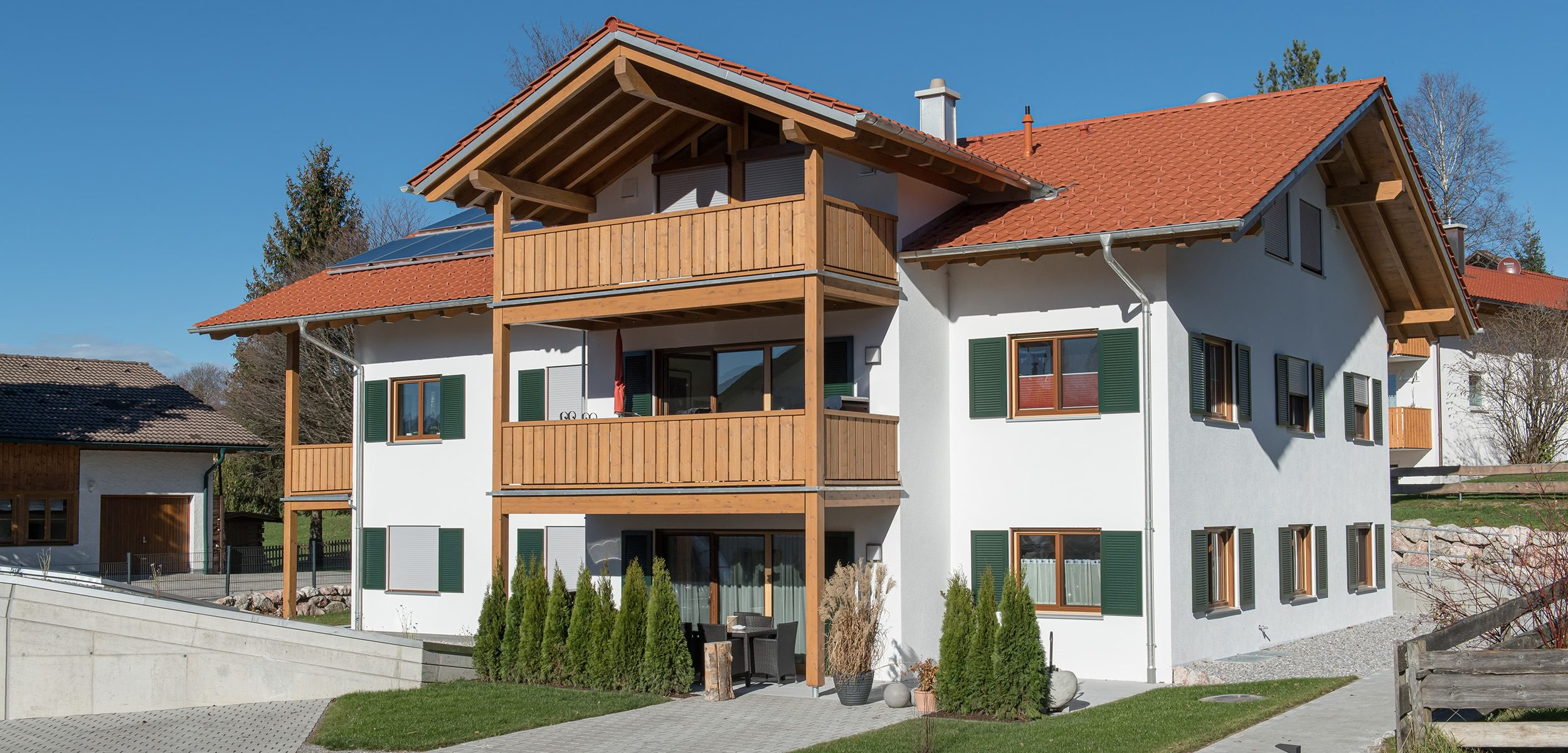
Windows · Timber
Made-to-measure timber windows – modern, classic or true to period style
Real timber, precision-crafted and installed by our own fitters: timber windows with Uw values as low as 0.74 W/m²K, security hardware up to RC2 and profiles for everything from contemporary new builds to listed buildings.
At a glance
Why choose timber windows from PLANIGRAPH?
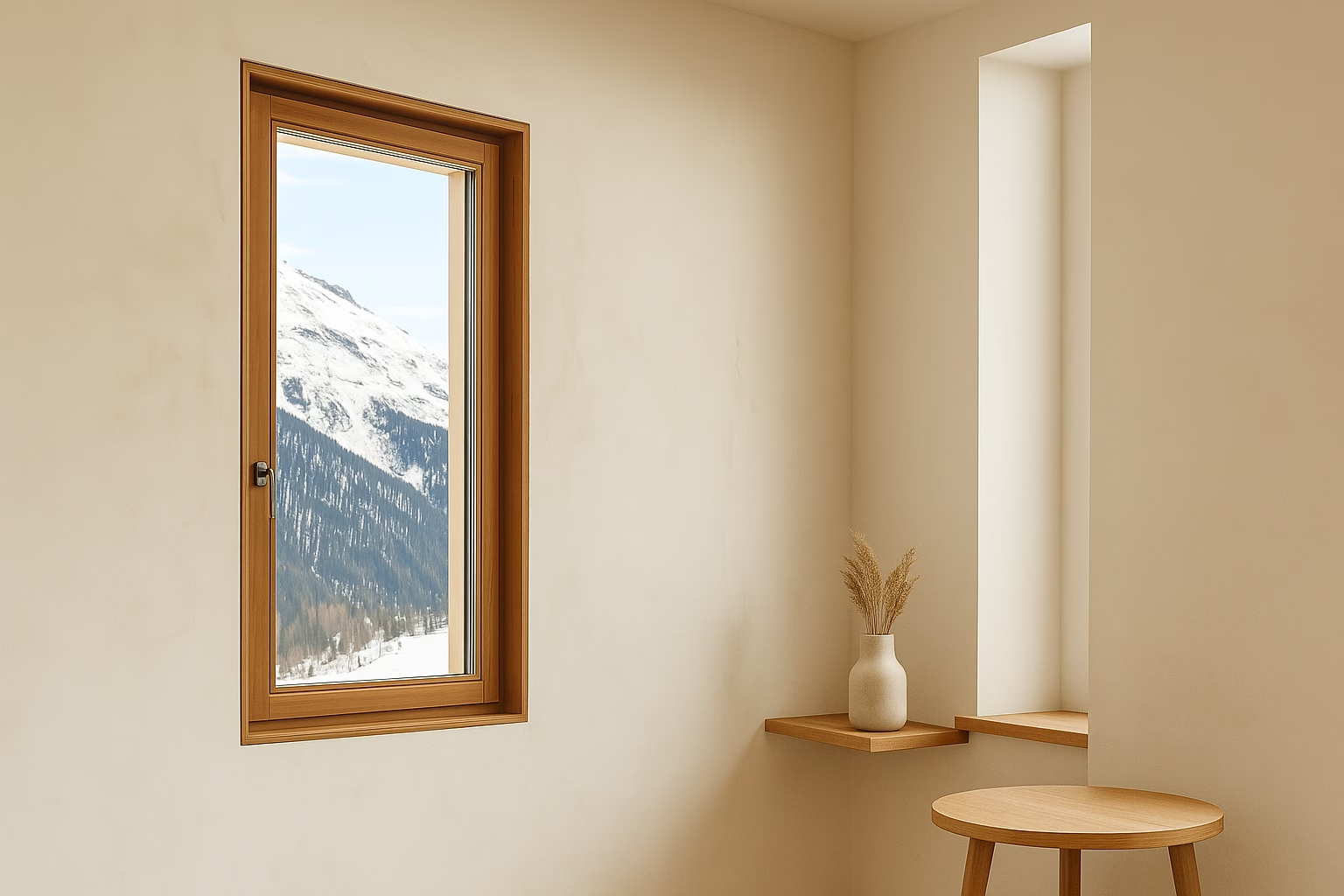
Timber is the original.
Timber is naturally a good insulator, feels warm to the touch and shapes the character of a room like no other window material. With modern profile technology, multiple weather seals and triple glazing, today's timber windows can achieve passive house levels of thermal performance.
We offer timber window ranges from two specialist German manufacturers – together covering everything from simple windows for new builds to faithful reproductions for listed buildings. This allows us to choose the construction that truly suits each home, rather than forcing everything into a single system.
- Frame depths from 68 to 92 mm
- Uw values as low as 0.74 W/m²K with triple glazing and warm-edge spacers
- Spruce, pine, larch, meranti, oak, eucalyptus and other timber species
- Wood stain, opaque RAL colour or oil – with different finishes inside and out if required
- Security hardware as standard, with RC1 or RC2 available on request
System ranges
Four ranges for every home.
All ranges are available as windows, French doors and bespoke shapes such as arched, angled or triangular designs. The names help when comparing quotations – what matters is the appearance, weather protection and installation requirements.
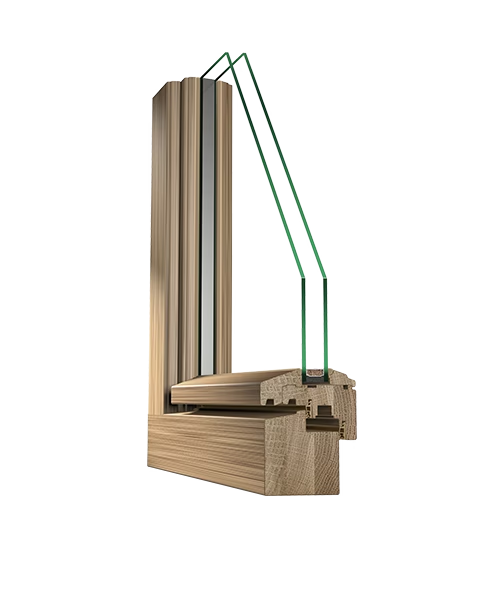
LIGNUM
A versatile timber window with frame depths from 68 to 92 mm and a centre seal. Three external profiles – classic, rustic or softly rounded – plus the „Tradition“ variant with slim, authentic profiles for existing buildings.
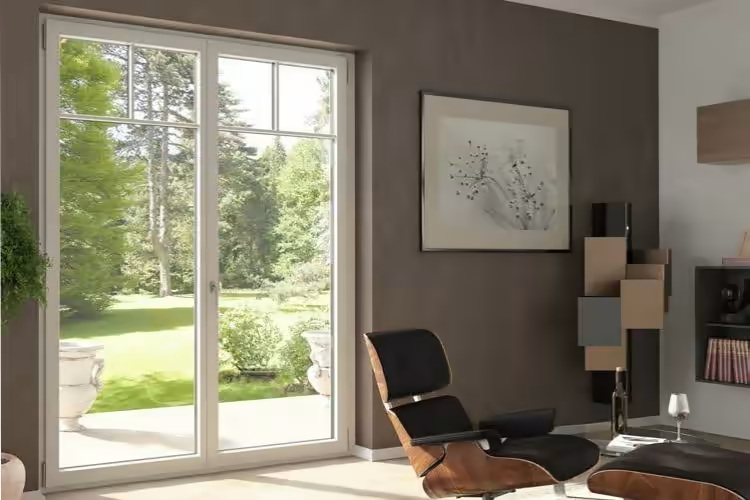
CLASSIC
A clean-lined timber window in 68, 78 or 88 mm, also available with a profiled glazing bead. Glazing set in a rubber gasket rather than silicone, concealed hardware and Uw values as low as 0.74 W/m²K.
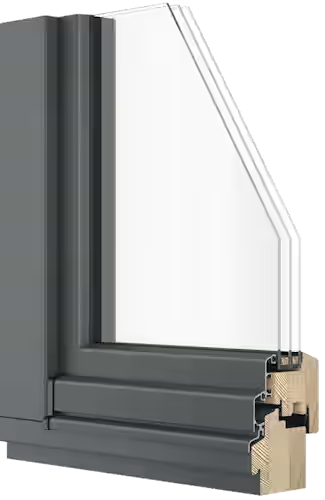
PROTECT
Timber windows with an aluminium frame on the sash only – where exposure to rain and sun is greatest. The timber remains visible on the inside and on the outer frame. Uw values as low as 0.77 W/m²K.
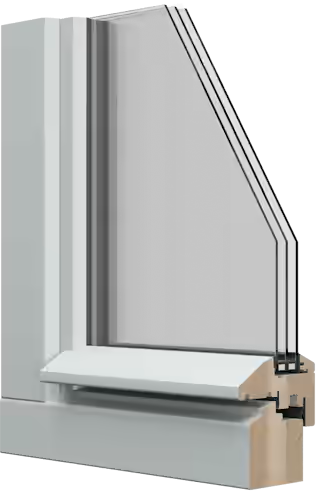
STIL 2 and UPGRADE
For period properties and heritage conservation: slim sashes, timber weather bars, profiled glazing beads and glazing bar layouts based on historic designs – with modern thermal insulation achieving Uw values as low as 0.74 W/m²K.
Technical specifications
The ranges compared.
| LIGNUM | CLASSIC | PROTECT | STIL 2 / UPGRADE | |
|---|---|---|---|---|
| Frame depth | 68 to 92 mm | 68 / 78 / 88 mm | 68 / 78 / 88 mm | 68 / 78 / 88 mm |
| Thermal transmittance Uw* | as low as 0.75 W/m²K | as low as 0.74 W/m²K | as low as 0.77 W/m²K | as low as 0.74 W/m²K |
| Sealing | Centre seal, 2 sealing planes | Continuous perimeter seals, dry glazing | As CLASSIC | As CLASSIC |
| Glass thickness | Up to 48 mm | Double or triple glazing | Double or triple glazing | Double or triple glazing |
| Sound insulation | up to 45 dB | Depending on glazing | Depending on glazing | Depending on glazing |
| Security | Standard, RC1 or RC2 | Standard, further options on request | Standard, further options on request | Standard, further options on request |
| Exterior | Timber | Timber | Aluminium on the sash | Timber, timber weather bar |
| Profile | Classic, rustic, gently rounded | Straight or profiled | Straight | Historic, also available with profiled detailing |
* Best values for a reference window measuring 1.23 × 1.48 m with triple glazing and a warm-edge spacer, using the greatest frame depth. Softwoods such as spruce provide slightly better insulation than hardwoods such as oak. The values for your windows depend on the timber species, size, glazing and specification – we include them in your quotation. Minimum window system classifications: air permeability 3, watertightness 4A, resistance to wind load C3/B3.
Types of wood
Which timber is right for you?
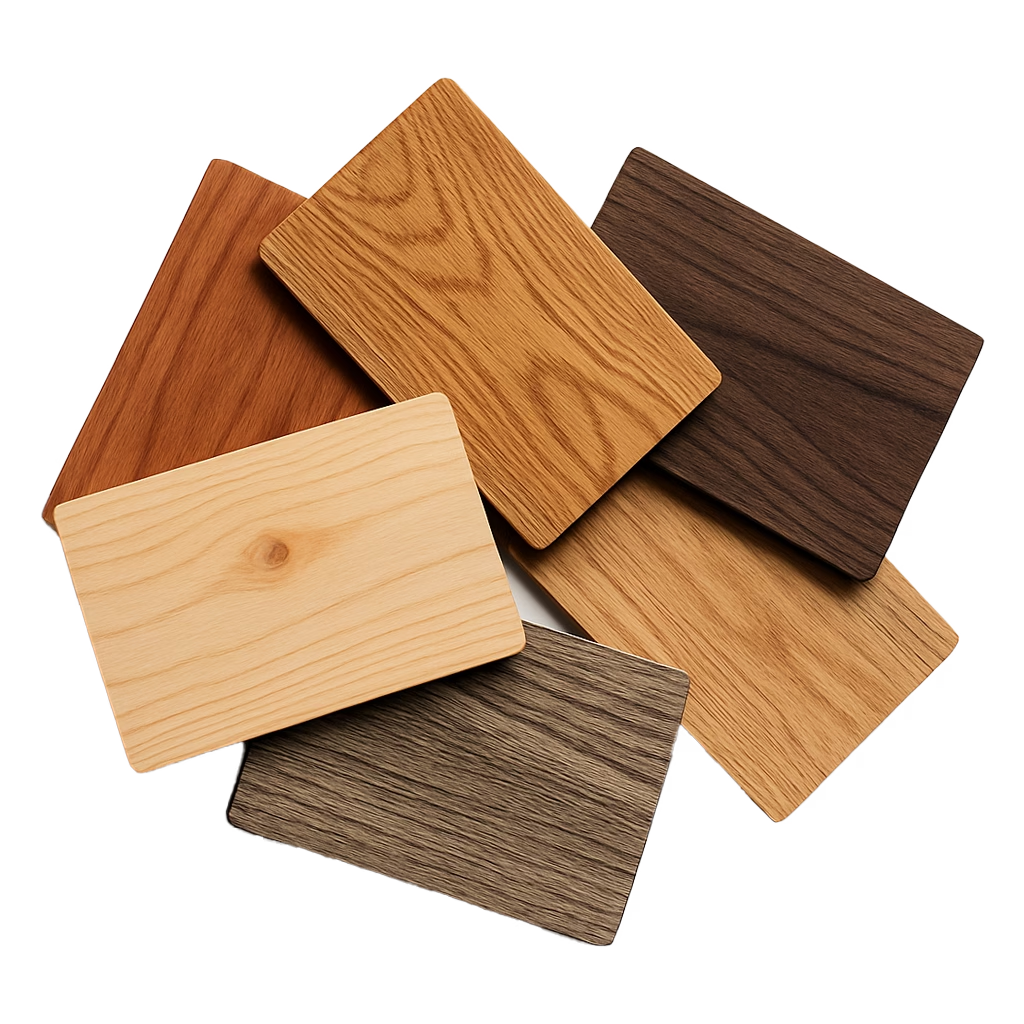
Each timber species has its own colour, grain and hardness. Softwoods provide slightly better insulation, while hardwoods are more robust and have a more pronounced texture. We can show you the samples side by side in our showroom.
- Spruce – light in colour, with a subtle grain and the best insulation values; ideal for opaque paint finishes
- Pine – distinctive grain, timeless appearance
- Larch – reddish, resin-rich and naturally weather-resistant
- Meranti – uniform, reddish-brown and highly dimensionally stable
- Oak – hard, with a pronounced texture and particularly long-lasting
- Eucalyptus – refined, finely grained and plantation-grown
- Oregon Pine – warm in tone, with distinctive growth rings
Some of our timber windows are made exclusively from locally sourced timber from certified sustainable forestry – with no timber from old-growth forests. Ask us if the origin of the timber matters to you.
Construction
What goes into the timber profile.
Strong corner joint
Frames and sashes are joined using glued mortise and tenon joints. The corners stay firmly joined over time, and the window retains its shape.
Centre seal
An additional seal in the centre of the rebate separates the cold side from the warm side. It keeps out draughts and driving rain and protects the hardware.
Glazing without silicone
In some systems, the glazing sits in a permanently elastic rubber gasket rather than a silicone seal. The gasket does not yellow, stays clean and makes it easy to replace the glass later.
Concealed hardware
Hinges and bearings can be concealed within the rebate on request. Depending on the system, they support sashes weighing up to 80 or 130 kg; heavier sashes are fitted with visible hinges.
Colours and finishes
Natural, coloured or oiled.
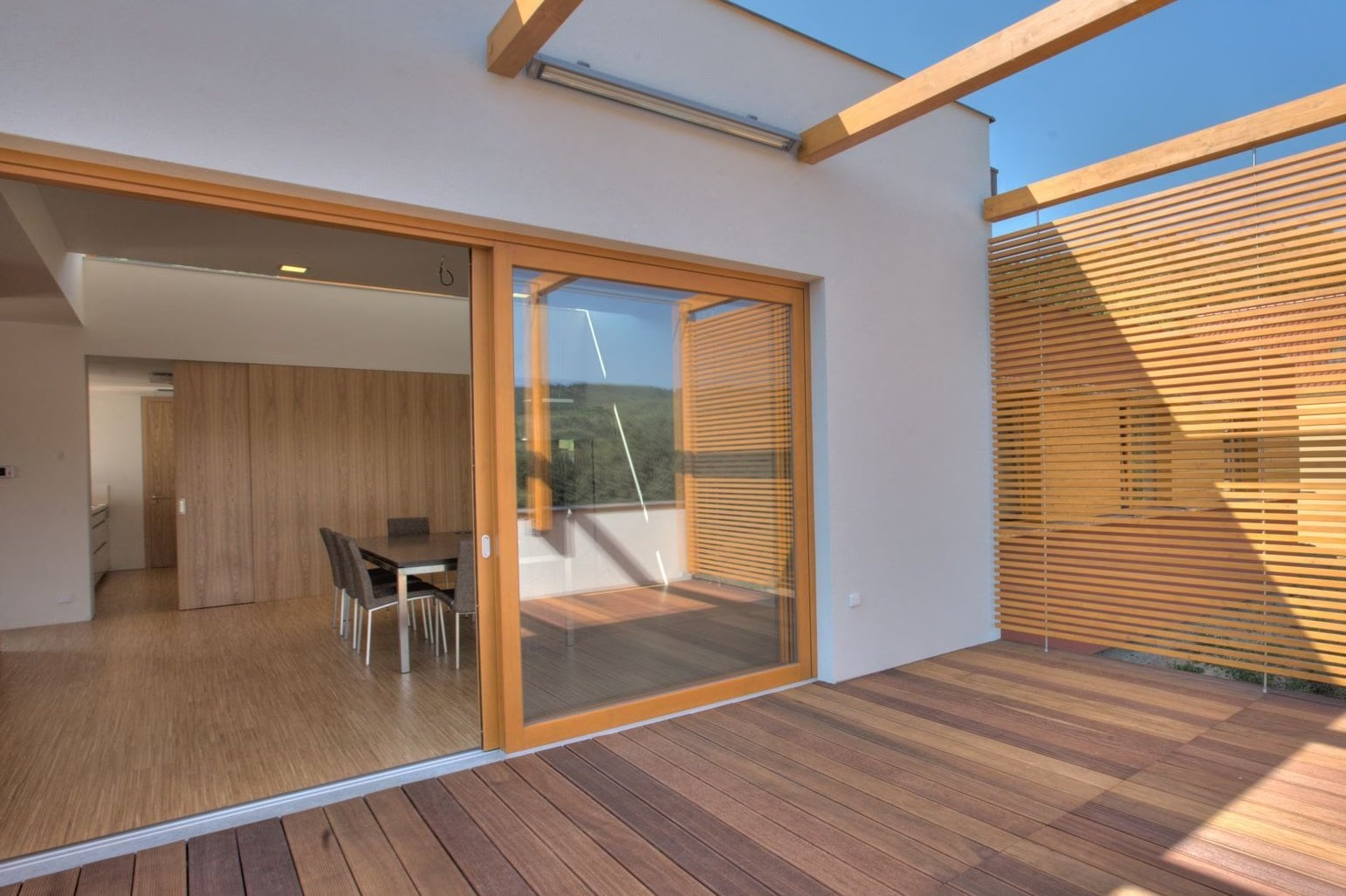
Finishes that last.
The finish protects the timber and defines the window’s appearance. All windows receive multiple coats of environmentally friendly, water-based coatings at the factory.
- Wood stains that reveal the grain – from light to dark
- Opaque finishes in RAL colours, with different colours inside and out if required
- High-strength two-component coating: 47 % more resistant to hail and impact than conventional window coatings, free from heavy metals, formaldehyde and plasticisers, and safe in accordance with toy safety standard EN 71-3
- Oiled finishes for a particularly natural feel
- Additional protective coating for coastal locations and industrial areas
Security and comfort
Secure as standard.
Basic
Three security keeps, fully adjustable hardware, an anti-mishandling device and a sash lifter that raises the sash as it closes.
RC1 and RC2
Mushroom locking cams all round, security keeps, a lockable handle and security glazing as required – tested to DIN EN 1627.
Convenience
Tilt-before-turn operation for child safety, parallel opening for ventilation without tilting the window, and magnetic contacts for the alarm system.
Glazing and sound insulation
Triple thermal insulation glazing with warm-edge spacers, acoustic glazing rated up to around 45 dB, safety glass, patterned glass and solar control glazing.
Period properties and heritage conservation
New windows that look like the originals.
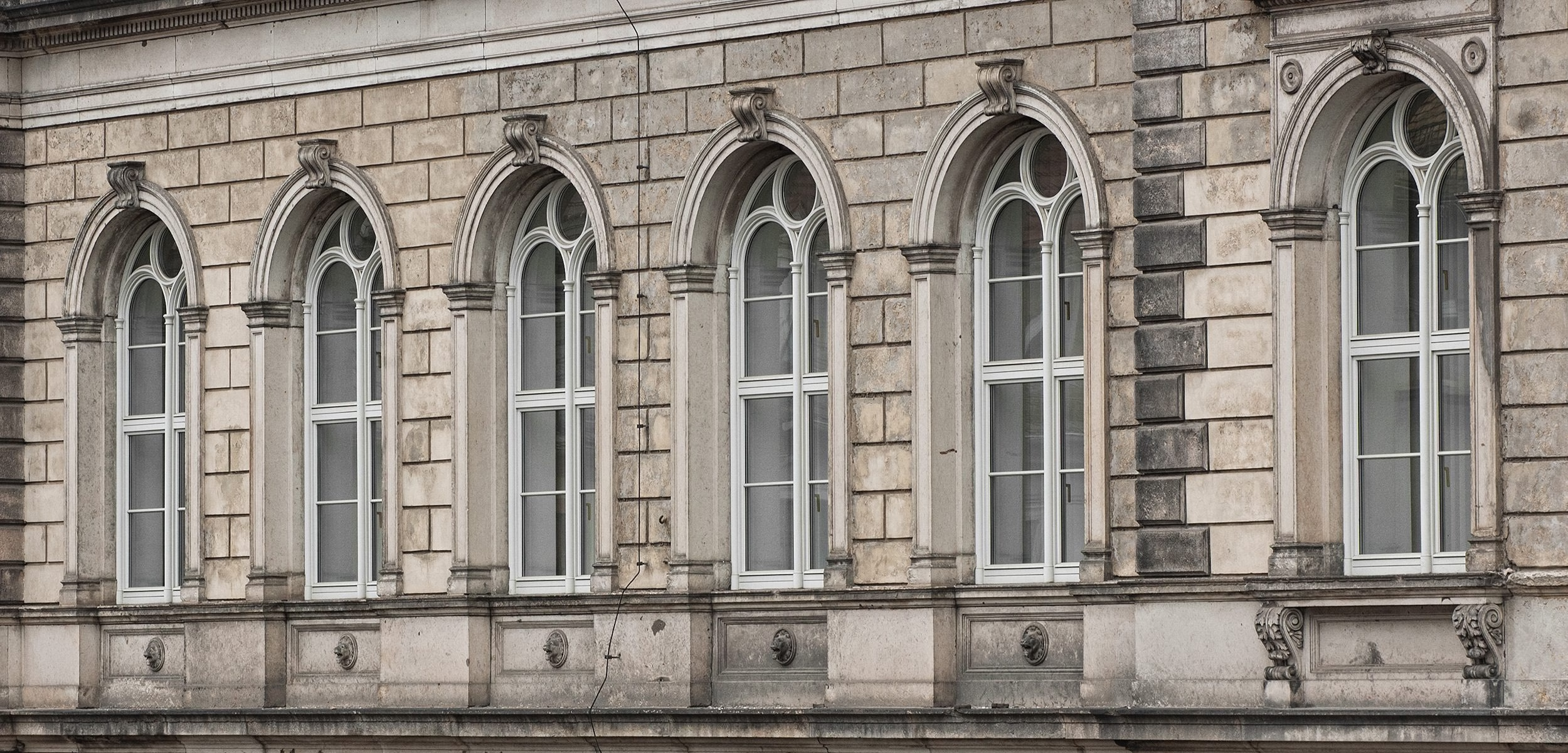
Every detail matters in a period property: sightlines, weatherboards, transoms, glazing bars and hardware. We survey the existing windows, liaise with the heritage authority where necessary and reproduce the windows in keeping with the original style.
- Timber weatherboards – fitted into a groove or integrated into the sash directly at the glazing
- Slim sashes and construction without transoms for slender sightlines
- Profiled glazing beads inside and out
- True and applied glazing bars matching the historic layout
- Round arches, segmental arches and other bespoke shapes
- Decorative elements, capitals, and period-appropriate handles and hardware
Doors and sliding systems
Timber solutions for large openings too.
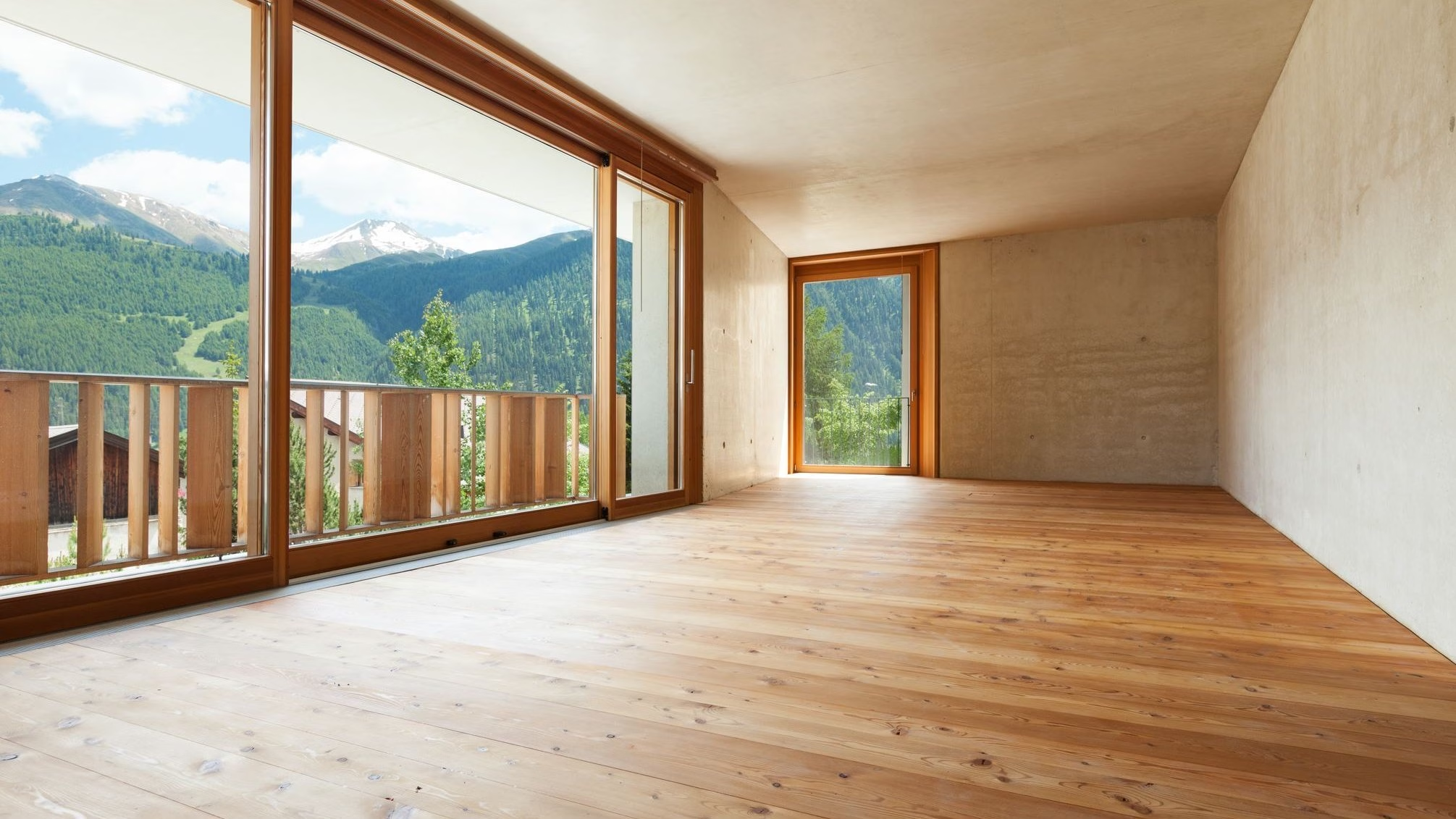
To match your windows, we supply timber lift-and-slide doors, tilt-and-slide doors and bifold doors – in the same timber species and finish.
- Lift-and-slide doors in 68 and 78 mm, also available with timber inside and aluminium outside
- Low-profile thresholds for easier access, through to fully flush thresholds
- Fixed panels with floor-level glazing on request
- Tilt-and-slide doors for medium-width openings
- Bifold doors that open up almost the entire opening
Care
Keep your timber windows looking their best.
Cleaning
Use plenty of water and mild soap, including in the rebate. Do not use abrasive cleaners, steel wool or blades – they damage the surface.
Care rather than repainting
Applying a care lotion after cleaning refreshes the wood stain and significantly extends the time between recoats. Oiled windows should be re-oiled about once a year.
Repair damage early
Repair small scratches or hail damage immediately. The sooner you act, the easier and less expensive the repair.
Hardware and seals
Oil the locking components from time to time and maintain the seals. Adjustments should be carried out by a specialist – we take care of this during servicing.
Complementary products
All about timber windows.
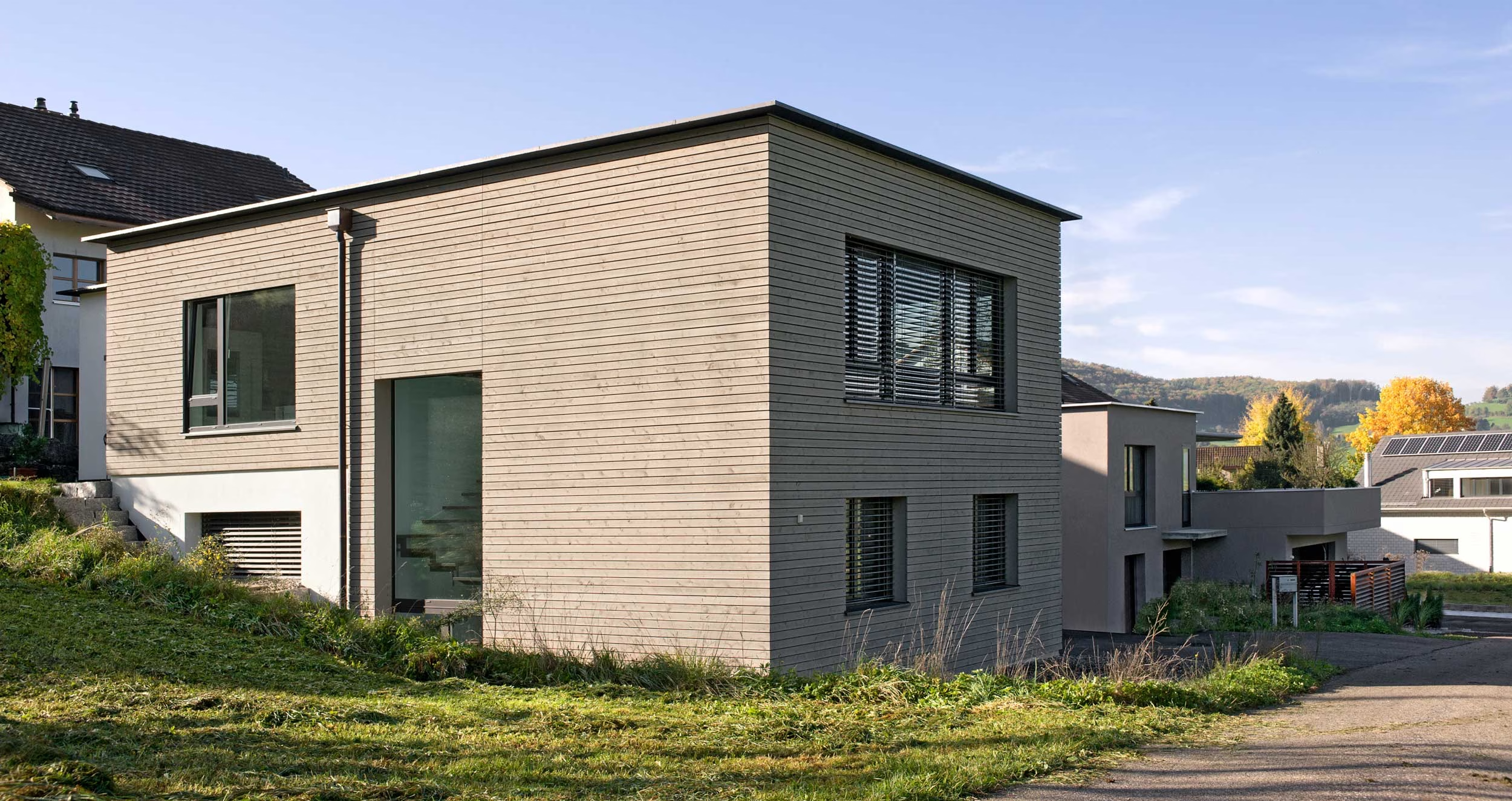
Timber-aluminium windows
Timber on the inside, low-maintenance aluminium in a wide range of colours on the outside.
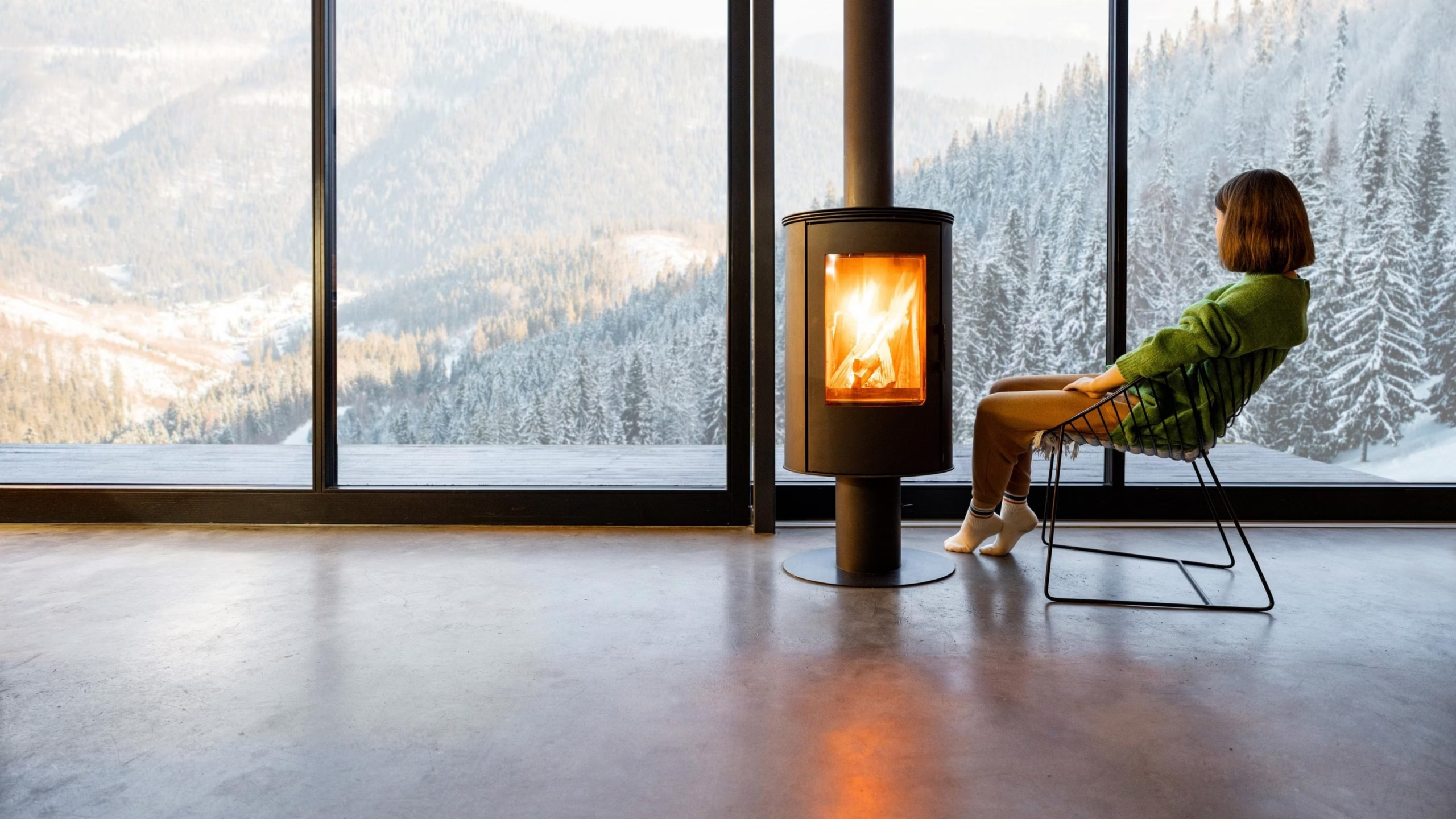
Sliding systems
Lift-and-slide, tilt-and-slide and folding sliding doors for large openings.
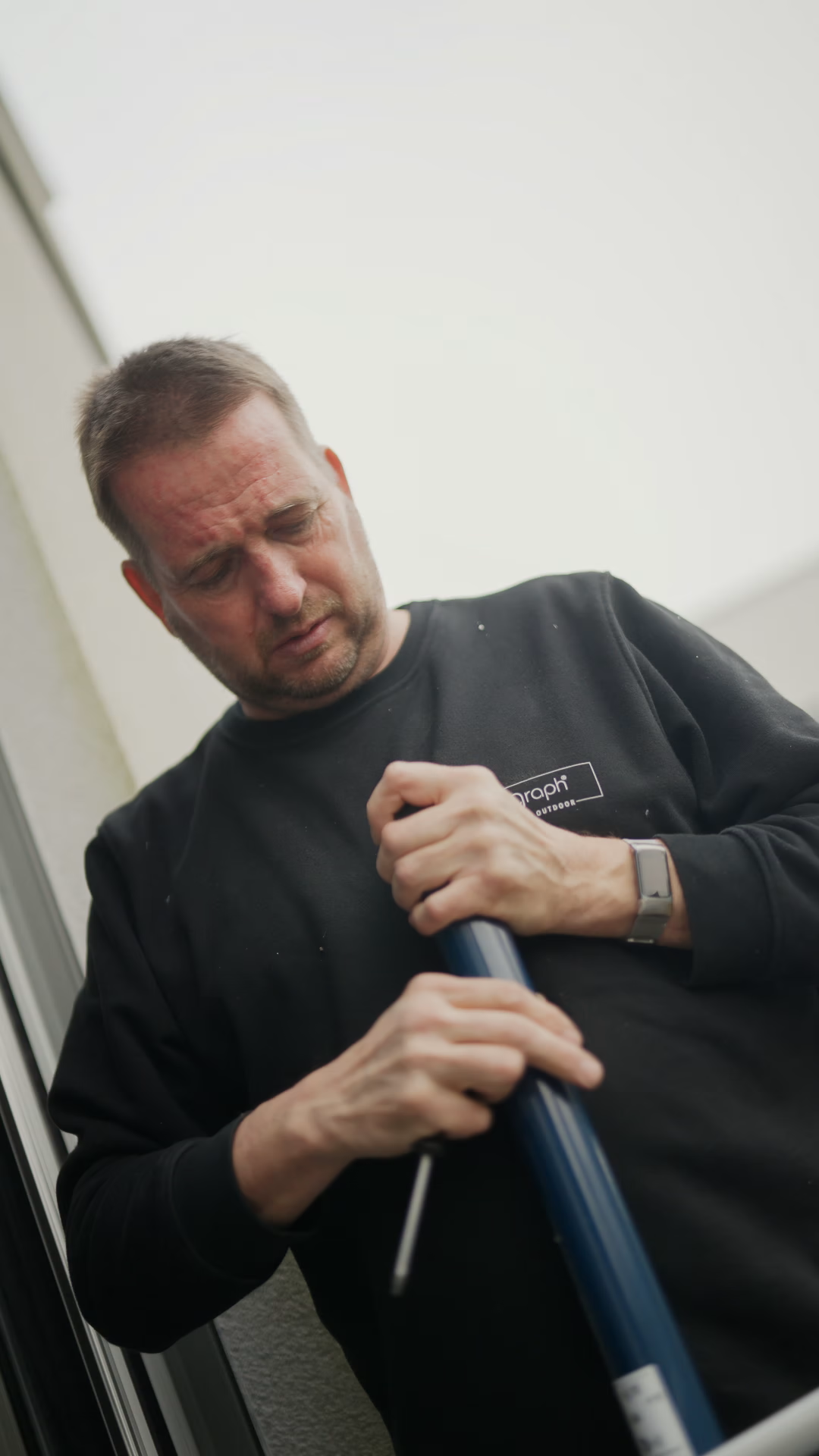
Roller shutter and external venetian blinds
Solar shading and privacy protection to match your new windows, with motorised operation and smart home connectivity.
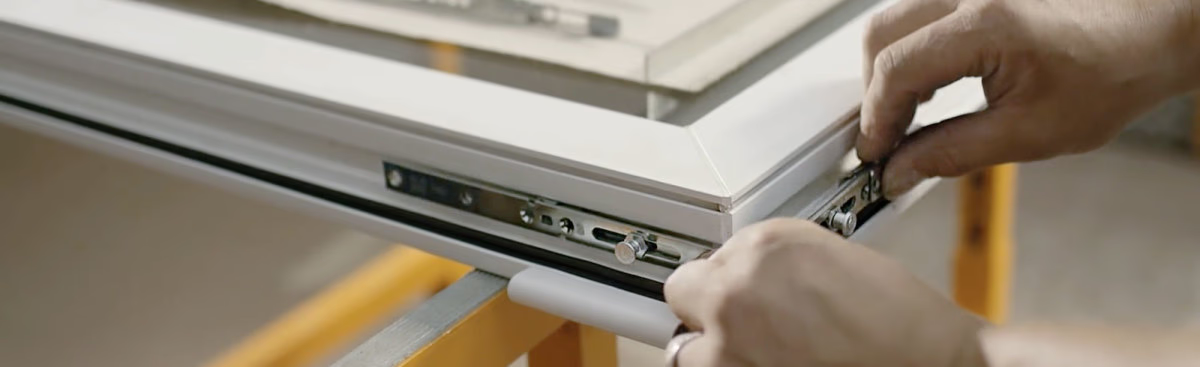
Window repairs
Are your existing windows sticking or letting in draughts? We adjust them and replace the hardware.
Frequently asked questions
Questions about timber windows.
Where do the timber windows come from?
We work with two specialist timber window manufacturers from Germany. The windows are made to measure for your project; our own installation team from Biwer takes care of advice, site measurements and installation.
How long does a timber window last?
Factory-coated windows can last for many decades with regular care. The key is to keep the surface intact – repair minor damage early and you will not need to repaint for a long time.
How often do I need to repaint a timber window?
That depends on its exposure, colour and finish. Light-coloured opaque finishes and high-performance coatings last significantly longer than dark wood stains on weather-exposed elevations. A care lotion noticeably extends the time between recoats.
Timber or timber-aluminium?
All-timber windows also show the material on the outside and are particularly well suited to older buildings and timber façades. Timber-aluminium windows have an external aluminium cladding that requires virtually no maintenance. PROTECT offers a middle ground, with aluminium only on the sash.
What frame depth do I need?
68 mm is sufficient for many renovation projects, 78 mm is the standard for new builds, and 88 to 92 mm provides the best insulation values, up to Passive House standard. We choose according to the wall construction, the installation junction and your energy performance target.
Are timber windows burglar-resistant?
Yes. Even the standard specification includes three security strike plates. On request, we supply versions tested to RC1 or RC2, with a lockable handle and security glazing.
Can I have different colours inside and out?
Yes. For example, a light stain inside that reveals the grain, and an opaque colour outside to match the façade.
Can I get timber windows for a listed building?
Yes. With period-appropriate profiles, timber weatherboards, glazing bars and bespoke shapes, we reproduce historic windows and, where necessary, agree the specification with the heritage authority.
How much do timber windows cost?
That depends on the timber species, size, glazing, finish and specification. After taking measurements, we provide a quotation with all the technical performance figures – allowing you to compare them with uPVC or timber-aluminium windows too.
Window advice
Timber windows for your home?
We advise you in our showroom in Biwer or at your property, take measurements and prepare a quotation with all the specifications.