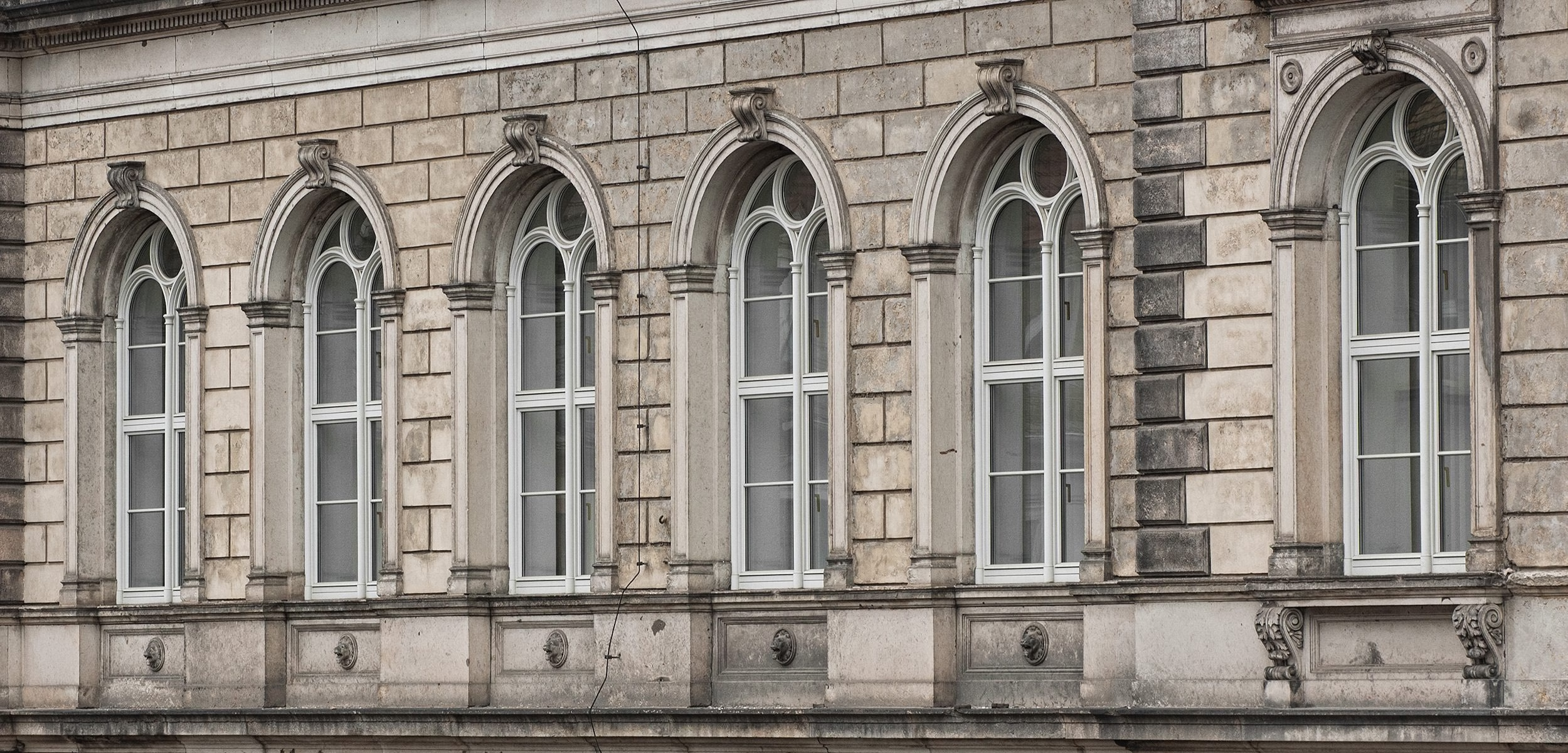
Timber windows · Period and listed buildings
STIL 2 and UPGRADE timber windows for period and listed buildings
New windows that look as though they have always been part of the house: slim sashes, timber weatherboards, moulded glazing beads and traditional glazing layouts – with thermal performance down to Uw 0.74 W/m²K.
At a glance
Authentic style and energy efficiency.
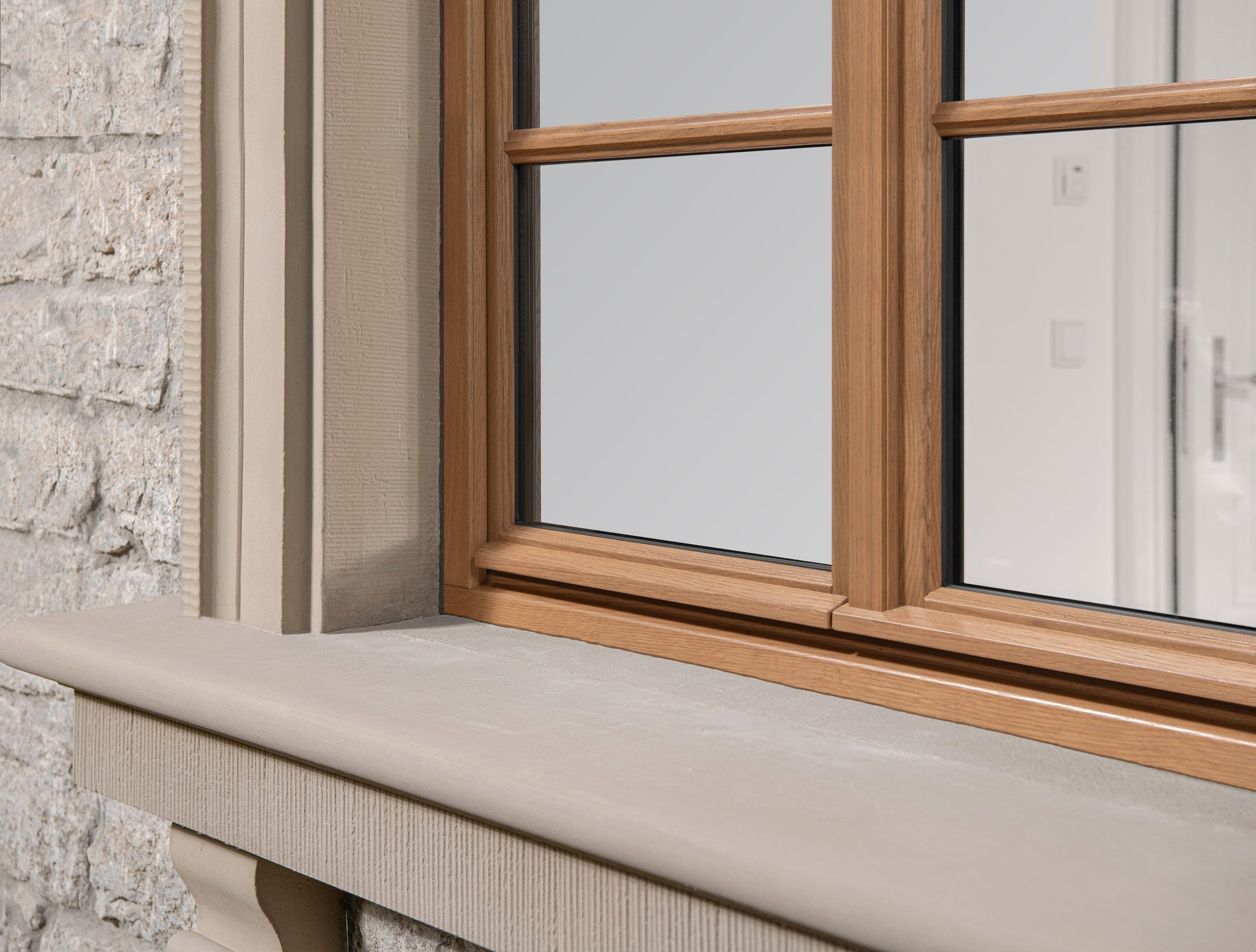
In period buildings, details matter: how wide are the profiles? How is the weatherboard fitted? How is the glazing divided? STIL 2 and STIL 2 UPGRADE answer these questions with designs based on historic originals – while meeting today's requirements for insulation, weathertightness and security.
- Frame depths of 68, 78 and 88 mm
- Uw as low as 0.74 W/m²K with an 88 mm frame depth and triple glazing
- Timber weatherboard instead of an aluminium rain deflector
- Slim sashes for slender sightlines and generous glazed areas
- Moulded versions inside and out
- Round arches and other bespoke shapes
Variants
Four versions to suit every requirement.
STIL 2
For energy-efficient renovation of period buildings. The timber weatherboard is slotted into the sash and blends discreetly into the façade. Slim sash profiles let in plenty of light.
STIL 2 with decorative mouldings
As STIL 2, with additional decorative mouldings on the external glazing rebate and the internal glazing bead – for façades with classical detailing.
STIL 2 UPGRADE
For listed buildings. The weatherboard starts directly at the glass and is integrated into the sash rather than surface-mounted – just as in historic windows.
UPGRADE with decorative mouldings
UPGRADE with decorative mouldings on the external glazing rebate and the internal glazing bead. The weatherboard is deliberately left plain.
Technical specifications
The versions compared.
| STIL 2 | STIL 2 with decorative mouldings | UPGRADE | UPGRADE with decorative mouldings | |
|---|---|---|---|---|
| Applications | Renovation of older buildings | Renovation of older buildings | Heritage conservation | Heritage conservation |
| Weatherboard | Timber, fitted into a groove | Timber, fitted into a groove | Timber, directly against the glass in the sash | Timber, directly against the glass in the sash |
| Profiling | Straight | Glazing rebate on the outside, glazing bead on the inside | Straight | Glazing rebate on the outside, glazing bead on the inside |
| Frame depth | 68 / 78 / 88 mm | 68 / 78 / 88 mm | Project-specific | Project-specific |
| Uw as low as* | 0.74 W/m²K | 0.74 W/m²K | 0.74 W/m²K | 0.74 W/m²K |
* Best value at a frame depth of 88 mm for a reference window with triple glazing and a warm-edge spacer. The values for your windows depend on their size, layout and glazing – we specify them in your quotation.
Design
Historic windows need more than glazing bars.
Without a transom
A design without a horizontal transom allows particularly slim sightlines – or we deliberately include one if it is part of the original.
Window divisions
We position flying mullions, transoms and glazing bars according to traditional rules of proportion to give the window a harmonious appearance.
Special shapes
We design round arches, segmental arches, basket arches and other shapes to suit the structural opening.
Hardware and handles
Period-style window handles, rotary window handles and decorative hardware in matching finishes complete the look.
Process
Our approach to period properties.
1. Survey
We take measurements and photograph the profiles, layout and details of the existing windows.
2. Consultation
For listed buildings, we can liaise with the relevant authority on the design and colour at your request.
3. Planning
Together, we agree on the variant, profile, layout, timber species, colour and glazing.
4. Installation
Our own installers remove the existing windows, fit the new ones and neatly finish the junctions with the masonry and plaster.
Surface finish
As tough as car paint, with a natural look.
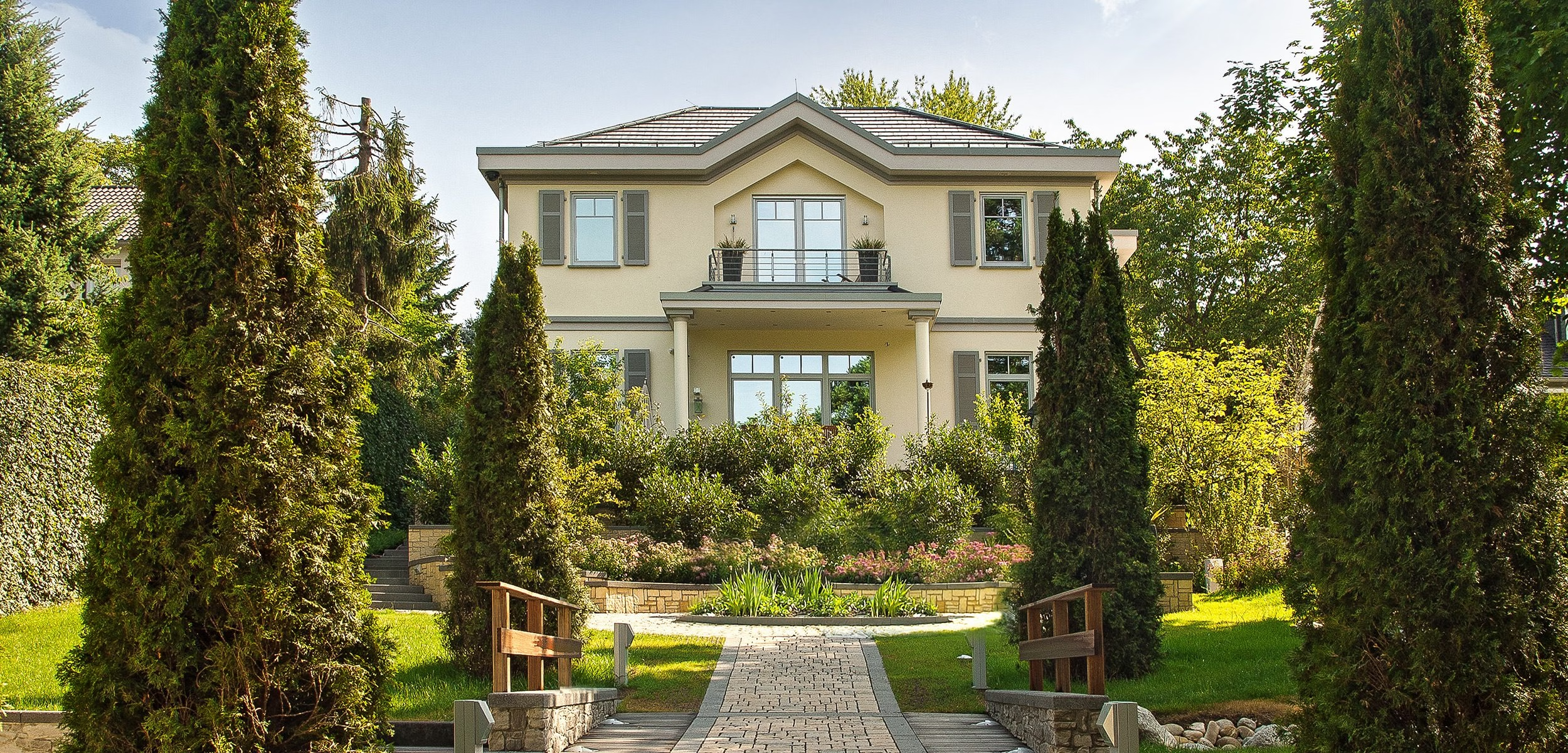
The coating makes the difference.
A two-component coating with a hardener is available for the exterior – as a translucent wood stain or an opaque finish in RAL colours. It is factory-applied and significantly tougher than conventional window paints.
- 47% more resistant to hail, impacts and scratches than conventional window paints
- Twice the wet adhesion – even damp winter building site conditions will not damage it
- Resistant to creams and grease; fingerprints can simply be wiped off
- Free from heavy metals, formaldehyde and plasticisers, and safe in accordance with toy safety standard EN 71-3
- Different colours inside and out, if desired
Care
Keep your timber windows looking their best.
Cleaning
Use plenty of water and mild soap, including in the rebate. Do not use abrasive cleaners, steel wool or blades.
Care rather than repainting
Applying a care lotion after cleaning refreshes the surface and significantly extends the interval before repainting is needed.
Repair damage early
Seal small scratches straight away – the sooner you act, the easier the repair.
Hardware and seals
Oil locking components occasionally and maintain the seals. Adjustments should be carried out by a specialist.
Other ranges
Compare other timber windows.
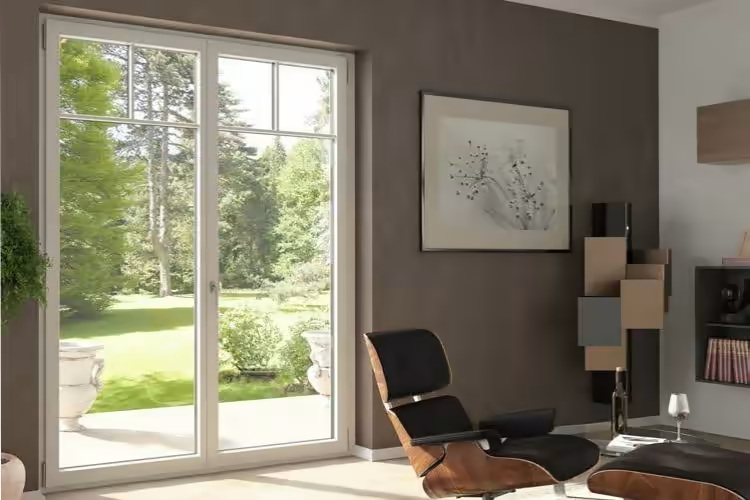
CLASSIC
The clean-lined timber window, straight or profiled.
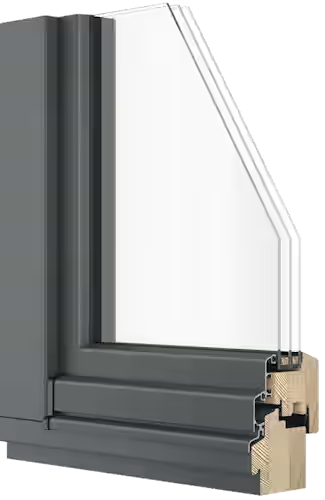
PROTECT
Timber windows with aluminium weather protection on the sash.
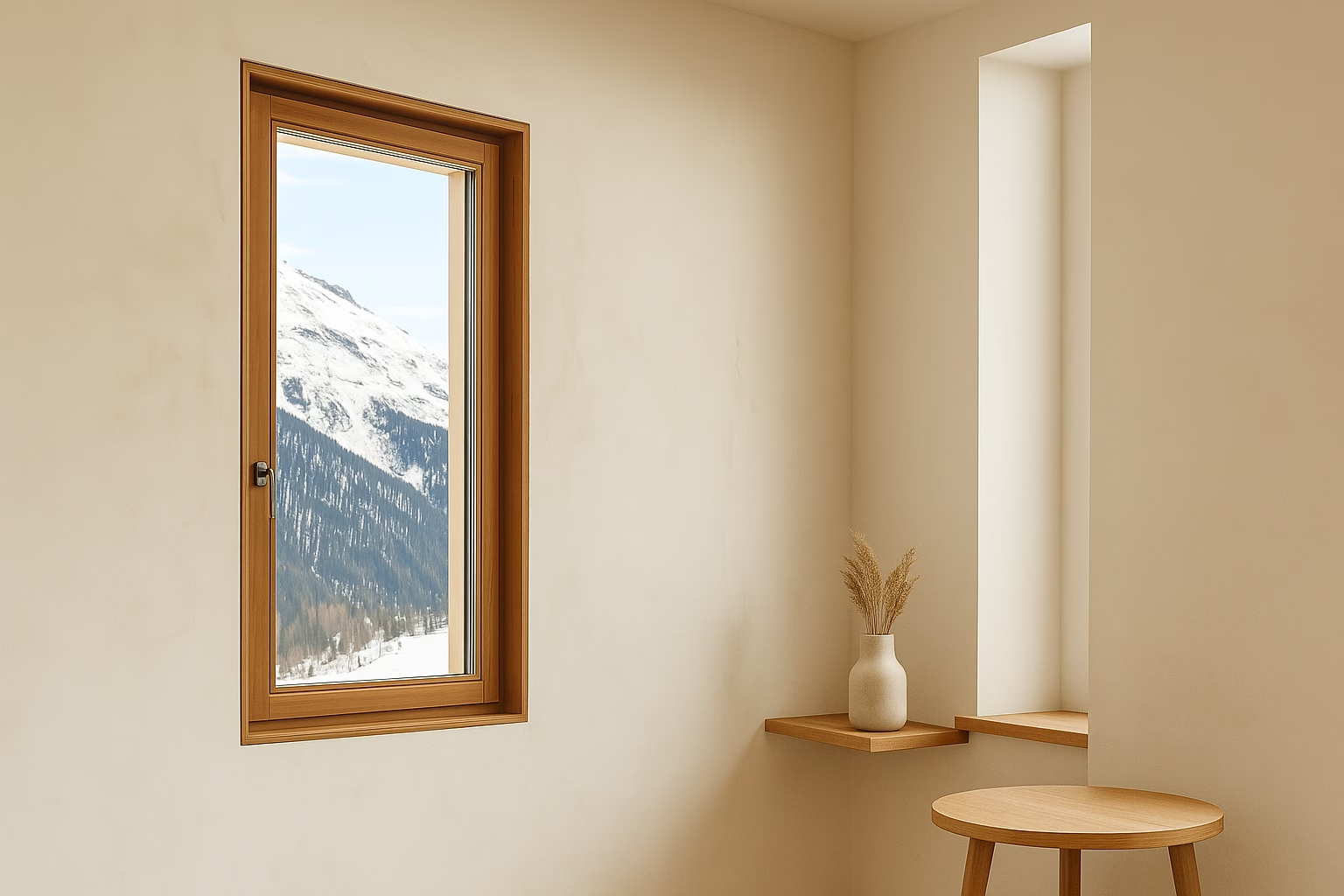
All timber windows
Overview, comparison, timber species and options.
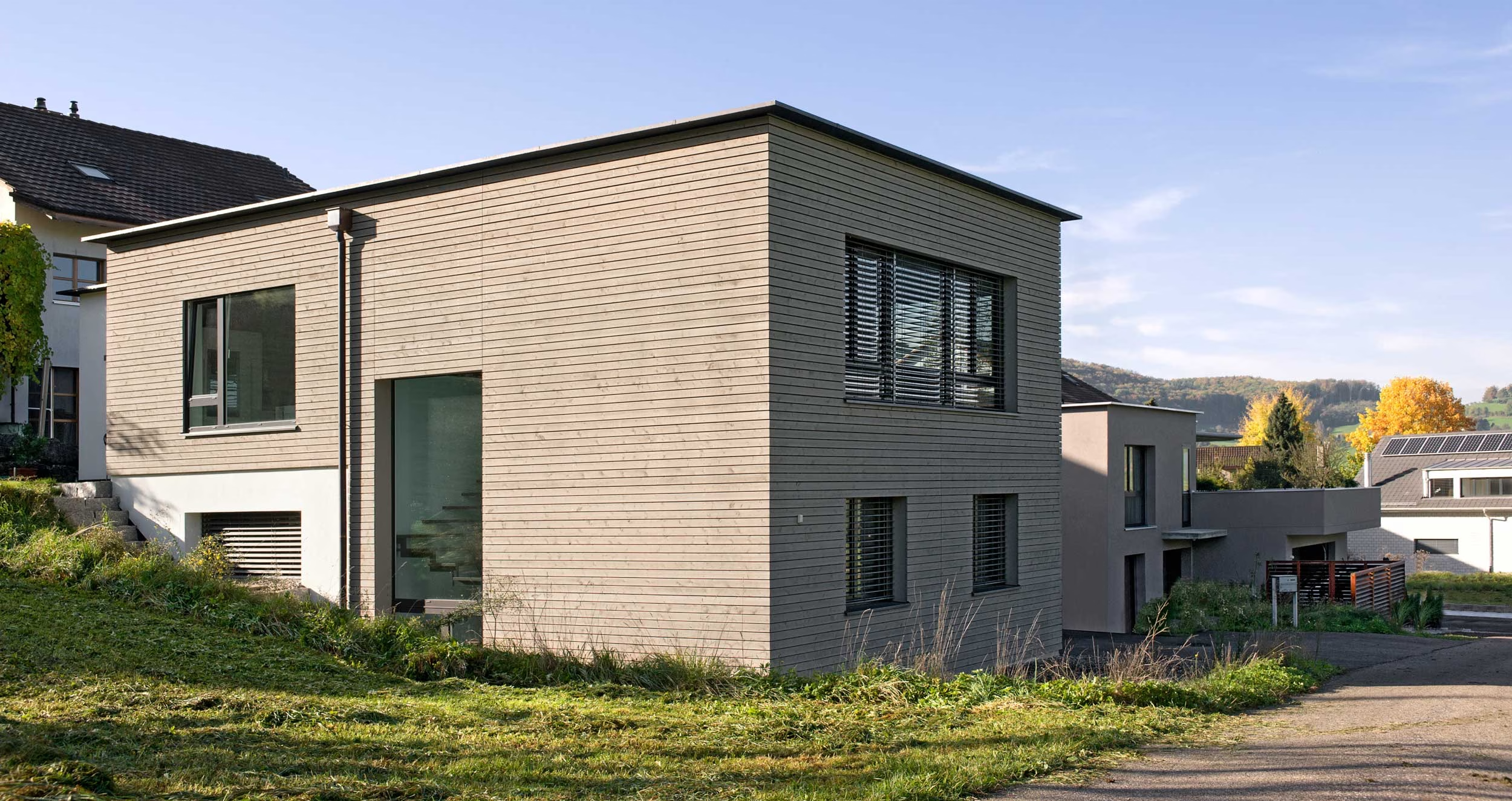
Timber-aluminium
Timber inside, aluminium cladding outside – no repainting required.
Frequently asked questions
Questions about windows for older and listed buildings.
STIL 2 or UPGRADE?
STIL 2 is designed for energy-efficient renovation of older buildings. UPGRADE is even closer to historic designs, particularly the weatherboard, and is the right choice for listed buildings.
Will I get approval for a listed building?
That is for the heritage authority to decide. We provide documentation on profiles, window divisions and colours and, if requested, agree the design with the authority in advance.
Are true glazing bars possible?
Yes. Depending on the glazing and requirements, we fit true or applied glazing bars to match the historic layout.
Can period-style windows achieve good insulation values?
Yes, with Uw values down to 0.74 W/m²K using triple glazing and an 88 mm frame depth – despite the slim profiles.
Can round-arched windows be reproduced?
Yes, we design round-arched windows and other bespoke shapes to fit the existing opening.
Window advice
Windows for your older building?
We inspect your windows on site, take measurements and prepare a quotation with all the performance values.