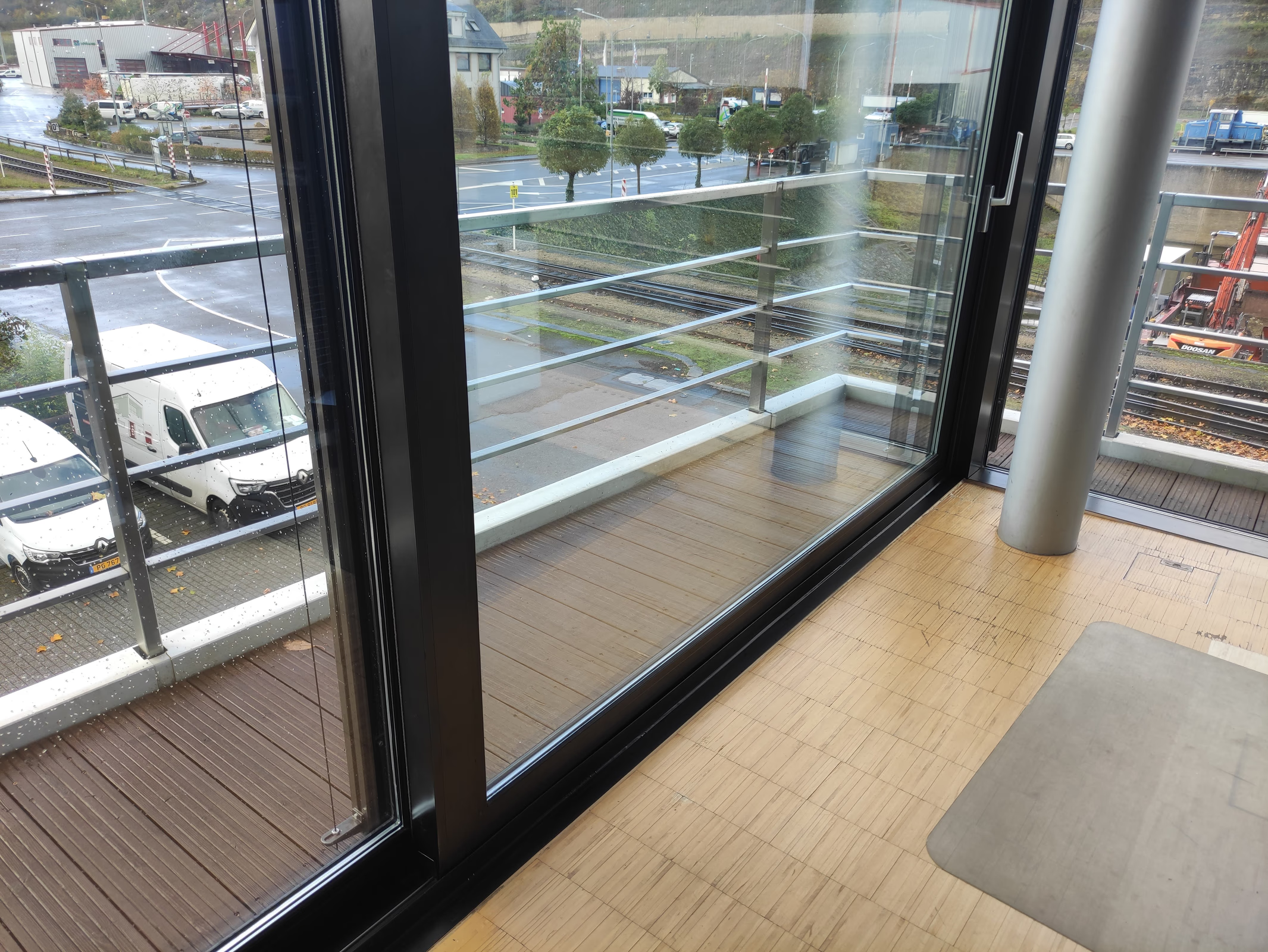
Lift-and-slide door repairs · Luxembourg
Is your lift-and-slide door hard to slide, no longer lifting or not sealing properly?
Large lift-and-slide door sashes are heavy. Wear to the roller carriages, rollers, gearbox, handle, track and seals can make the door much harder to operate. PLANIGRAPH inspects existing systems from all manufacturers and advises whether a targeted repair is cost-effective.
All brands
From Biwer, serving Luxembourg
Your service. Our craftsmanship.
Your enquiry
Where does the fault occur?
Clear photos of the whole door, the handle and the bottom track help us assess the size, design and likely cause more accurately before the appointment.
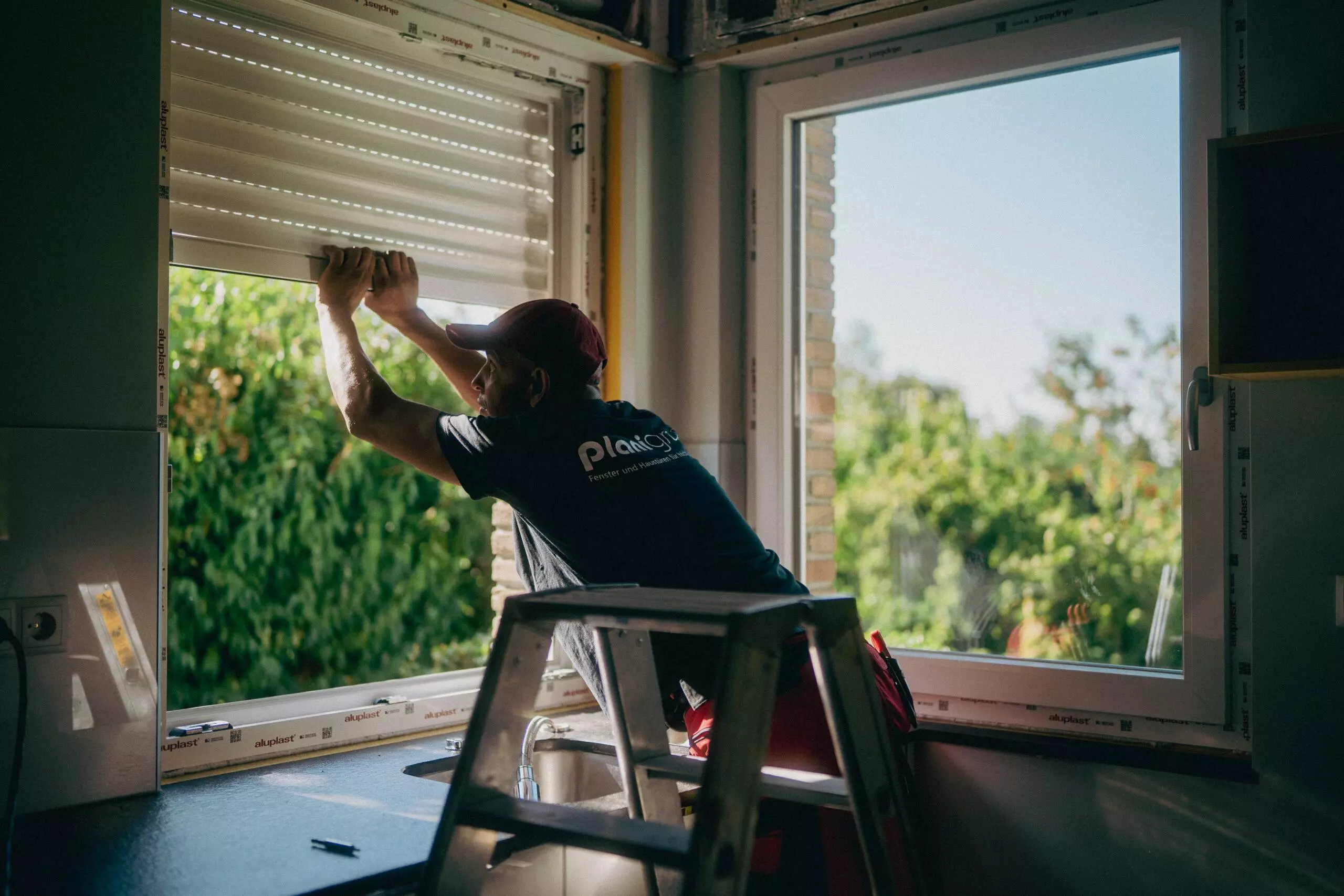
Sash is hard to slide
Check the roller carriages, rollers, track and any build-up of dirt as possible causes.
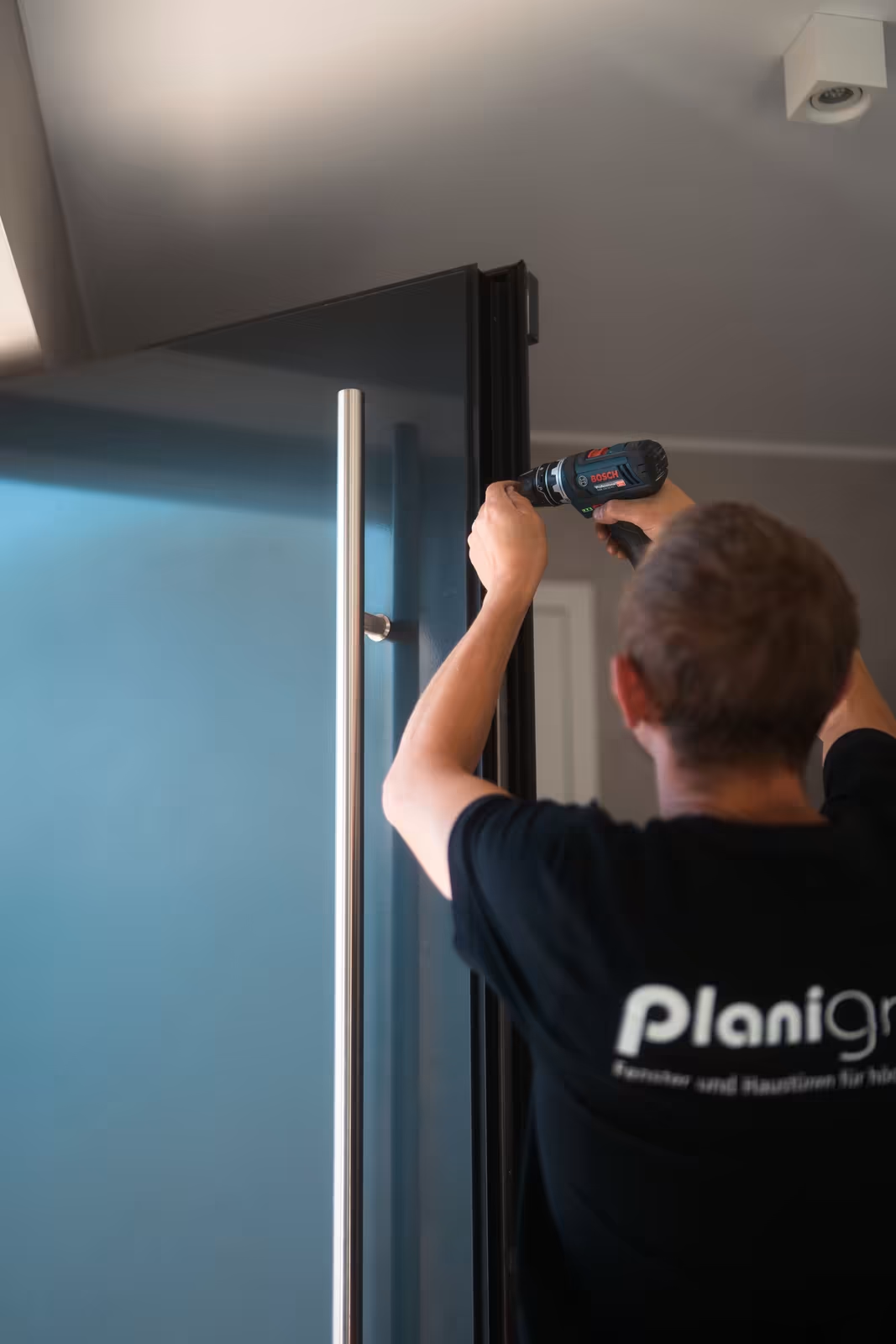
Will not lift or lower
Assess the gearbox, handle mechanism and lifting function together.
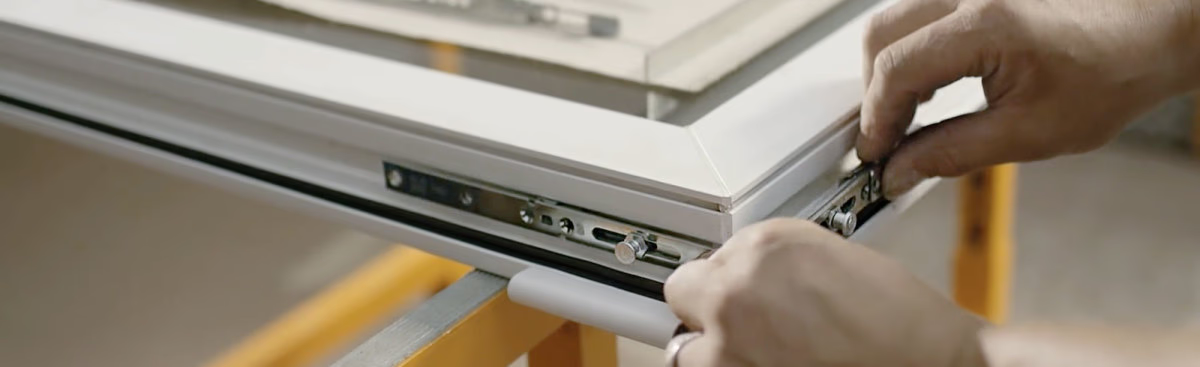
Poor seal or draughts
Check the seals, sash position, seal compression and drainage.
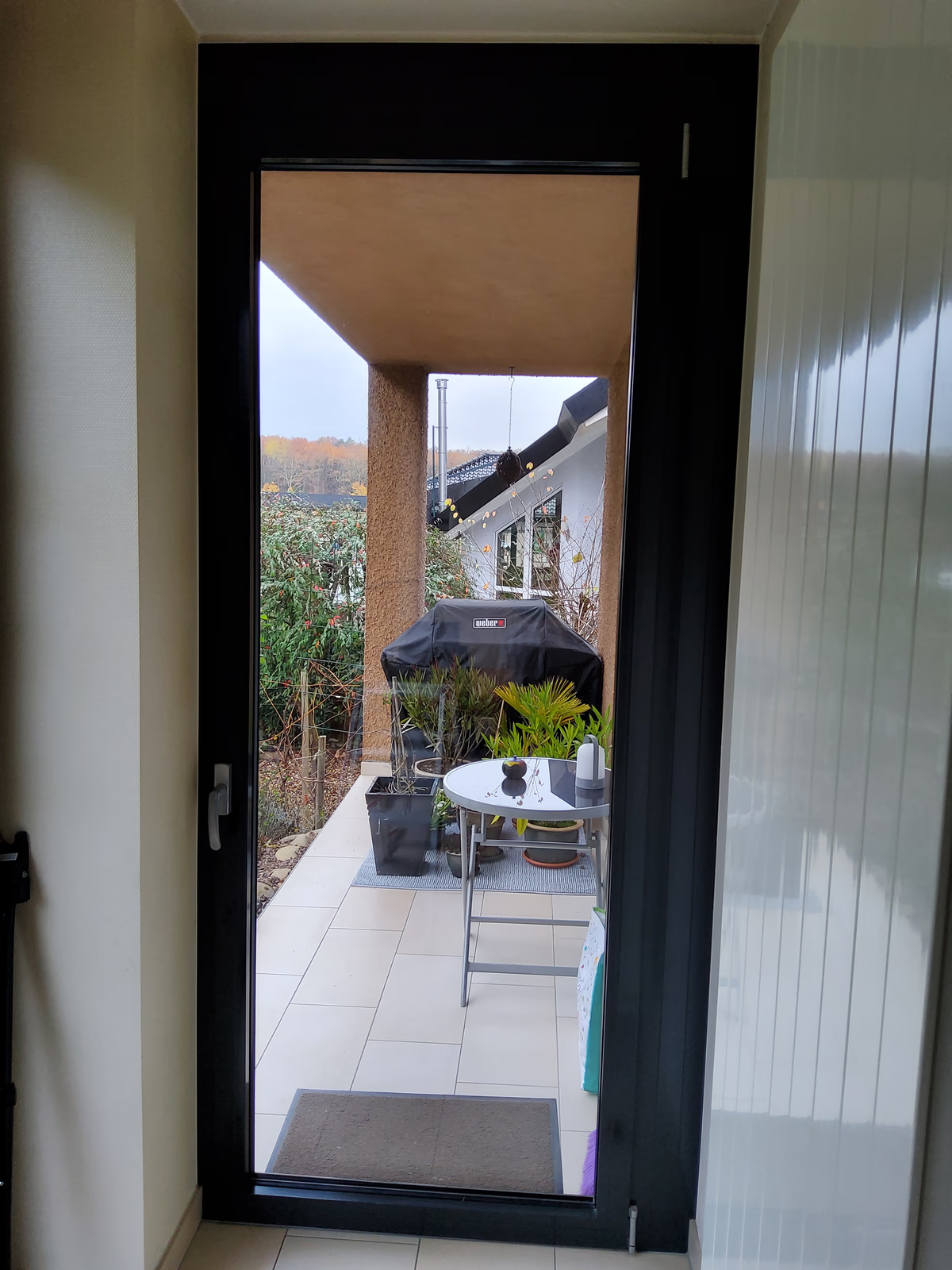
Glass or break-in damage
Assess damage to the glazing, frame and locking mechanism, as well as any consequential damage, separately.

Heavy loads on compact mechanisms
Why lift-and-slide doors become hard to operate over time.
Depending on its size, a sliding sash can be very heavy. This weight is carried by the roller carriages, rollers, track and lifting mechanism. Even minor damage – a worn roller, a bent track or a worn gearbox – can seriously affect operation.
- Check roller carriages, rollers and running surfaces for wear
- Check the gearbox, handle and lifting/lowering function for faults
- Check the track, sash position and drainage
- Assess seals, locking and ease of closing
Our services
Heavy sliding door – precise diagnosis.
The older PLANIGRAPH page emphasises that repairs are often worthwhile, particularly when the frame and glass are intact. The key is to identify which mechanical assembly is actually faulty.
01
Roller carriages & rollers
Broken or worn rollers can make the door difficult to move, cause juddering or lead to jamming. We check the running gear and load distribution.
02
Gearbox & handle
The lifting and lowering function is controlled by the handle and gearbox. Play, wear or jamming can prevent operation.
03
Track & adjustment
A damaged, dirty or bent track, as well as an incorrectly positioned door leaf, can affect smooth running and weather-tightness.
04
Seals & locking
Seals, contact pressure and locking must work together with the position of the door leaf. Leaks may have mechanical or structural causes.
Service insights
Sliding doors are assessed in situ.
For older installations, the manufacturer's identification is helpful but not always available. Photos of the handle, running gear area and hardware help us prepare.
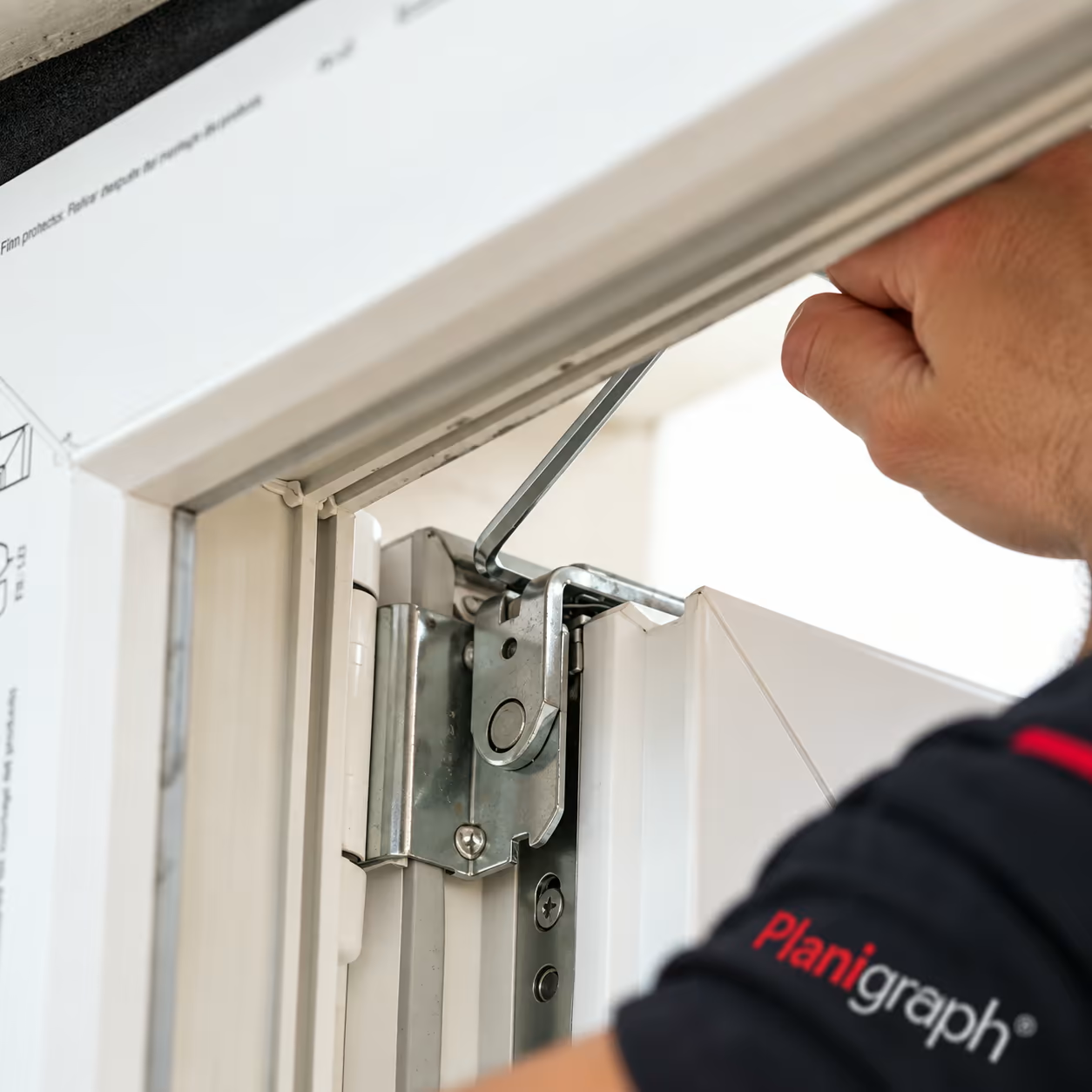
Mechanism and hardware
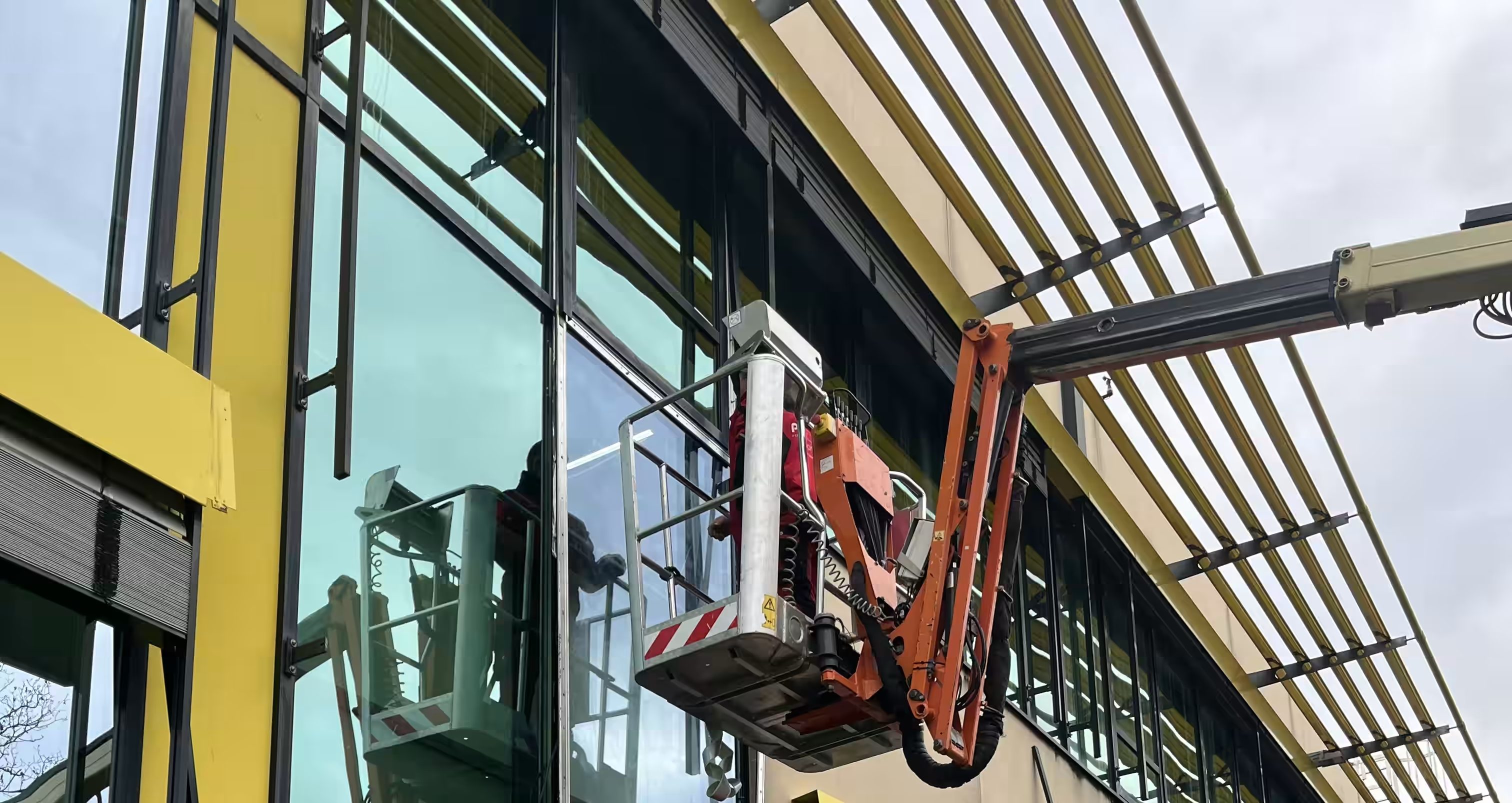
Glazing and glazing rebate

Locking and locking points
Repair or replace completely?
A lift-and-slide door is a major investment – so we first assess the condition of the existing unit.
Repair is often worthwhile
If the frame, door leaf and glazing are still intact and the fault is limited to roller carriages, rollers, the gearbox, seals or adjustment, a repair can be a sensible way to retain the existing door.
Replacement may make sense
If the construction, profiles or availability of spare parts no longer allow for a lasting, reliable repair, replacing the unit should be assessed from both a technical and an economic perspective.
Service process
From a photo to a transparent repair process.
01
Enquiry
Send details of the problem, photos and your contact details.
02
Assessment
We assess the door type, likely cause and preparation required.
03
Appointment
We plan the visit to suit the scope of work, access and urgency.
04
Work carried out
A technician inspects the door on site, carries out repairs once approved and documents the outcome.
Properties & residential complexes
Planned care for heavy sliding door units.
For residential complexes, property management companies, businesses and public-sector clients, we record multiple sliding doors by location, size and type of fault.
- Systematically record door units and rooms
- Clarify access and the working space required in advance
- Document repair and maintenance requirements
- Coordinate the appointment schedule with building use and designated contacts
Well prepared
Your questions before the service appointment.
How can I recognise a lift-and-slide door?
The large sliding leaf is lifted when the handle is turned, slides on rollers and is lowered again to close. Unlike a tilt-and-slide (PSK) door, it usually has no tilt position.
What should I photograph?
Please photograph the entire door from the inside, the handle and its position, the lower running area or track, and any visible manufacturer or hardware markings.
Is it worth repairing an older lift-and-slide door?
Often yes, if the frame, leaf and glazing are essentially intact. The type of wear, the mechanism and the availability of spare parts are the deciding factors.
Which components typically wear out?
Roller carriages, rollers, gearboxes, handle mechanisms, locking components and seals are among the components frequently subjected to wear.
Could a bent track also be the cause?
Yes. The running surface and track directly affect the movement of the heavy leaf and are therefore included in the diagnosis.
Can the glazing be replaced separately?
With a suitable system, glass replacement can be assessed separately and coordinated with the sliding door repair.
Suitable options
Servicing, repairs and sensible alternatives go hand in hand.
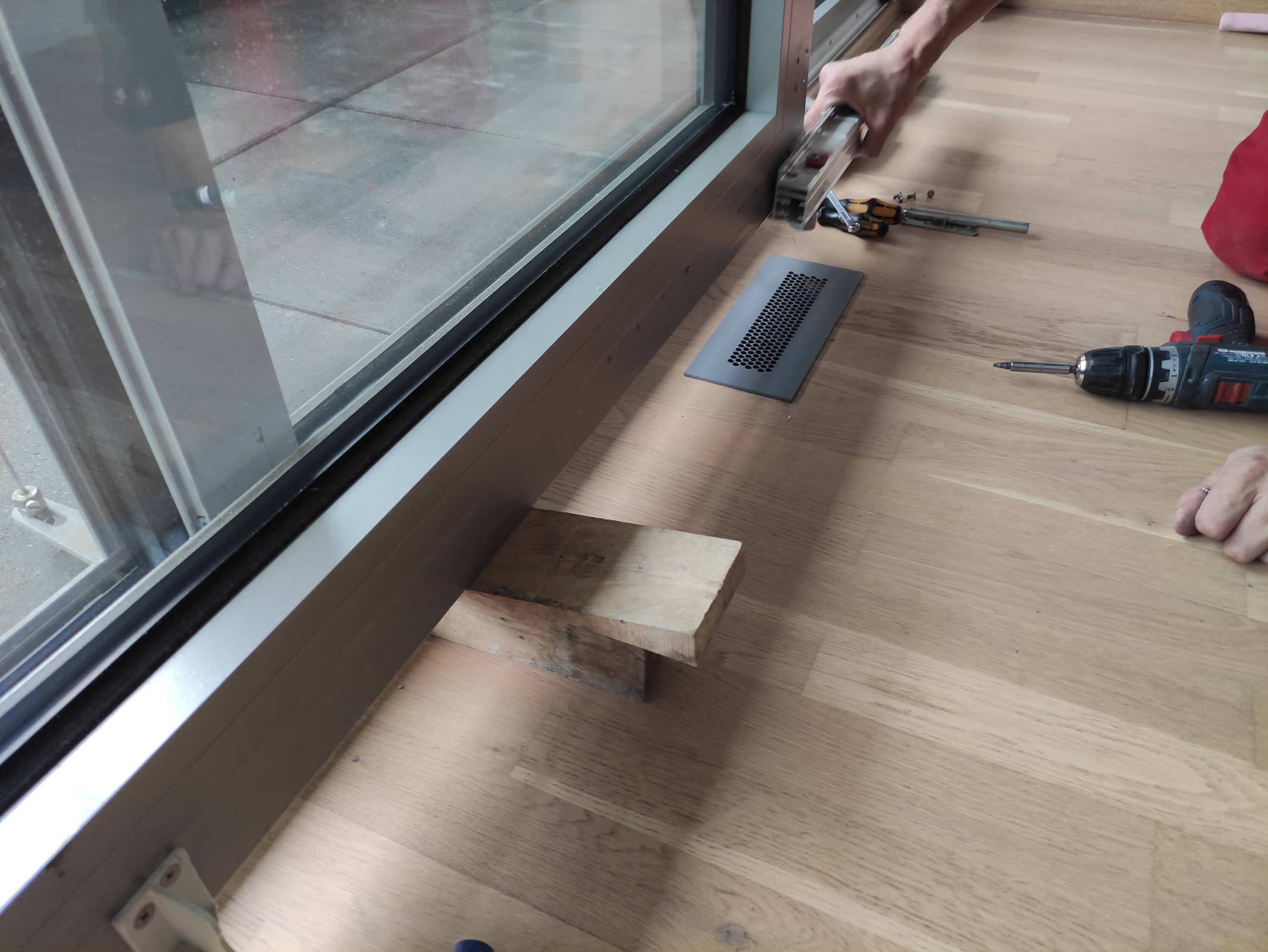
Sliding door repairs
PSK tilt-and-slide or lift-and-slide door? How to tell the difference.
PSK repairs
Service for parallel tilt-and-slide doors.
Glass repair & replacement
Professionally survey large glazed units.
Repair of break-in damage
Assess damage to frames, locking mechanisms and glass.
Your service. Our craftsmanship.
Enjoy smooth, reliable operation of your lift-and-slide door again.
A photo, a brief description and your contact details are enough for an initial technical assessment.