Insect screens · Light wells
Clean light wells. More light. Less work.
NEHER light well covers protect against insects, leaves and dirt. Depending on the installation, a cover for an existing grating, a complete insert, rain protection or a flush-fitting patio solution may be the right choice.
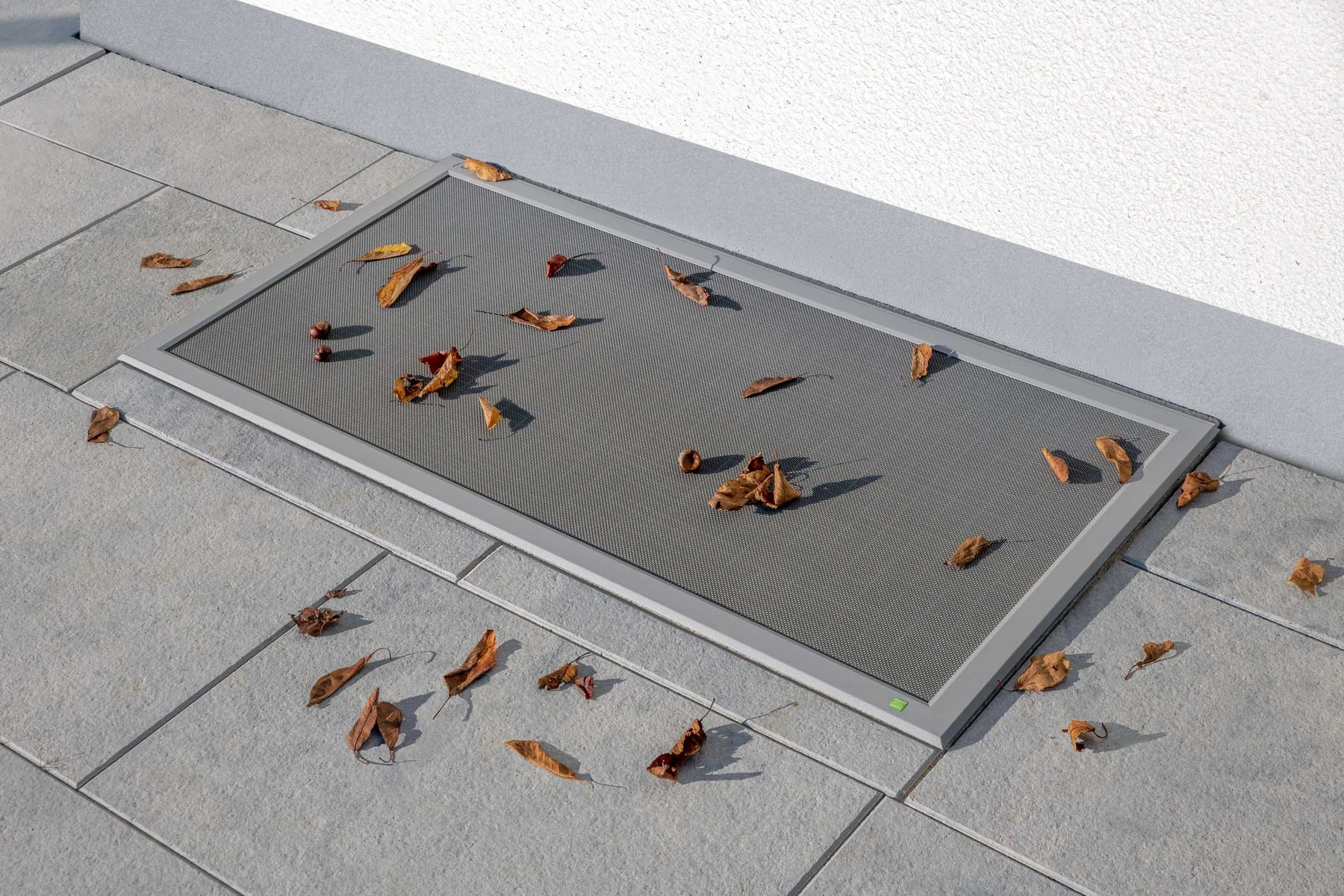
Protection for basements & patios
The light well stays open to light and air – but closed to leaves and pests.
The cover is tailored to the existing light well and its use with millimetre precision. Key considerations are the grating, the edge connection, whether the cover needs to be walked on, rainfall and the desired appearance.
Four systems right here on this page
Which cover meets which need?
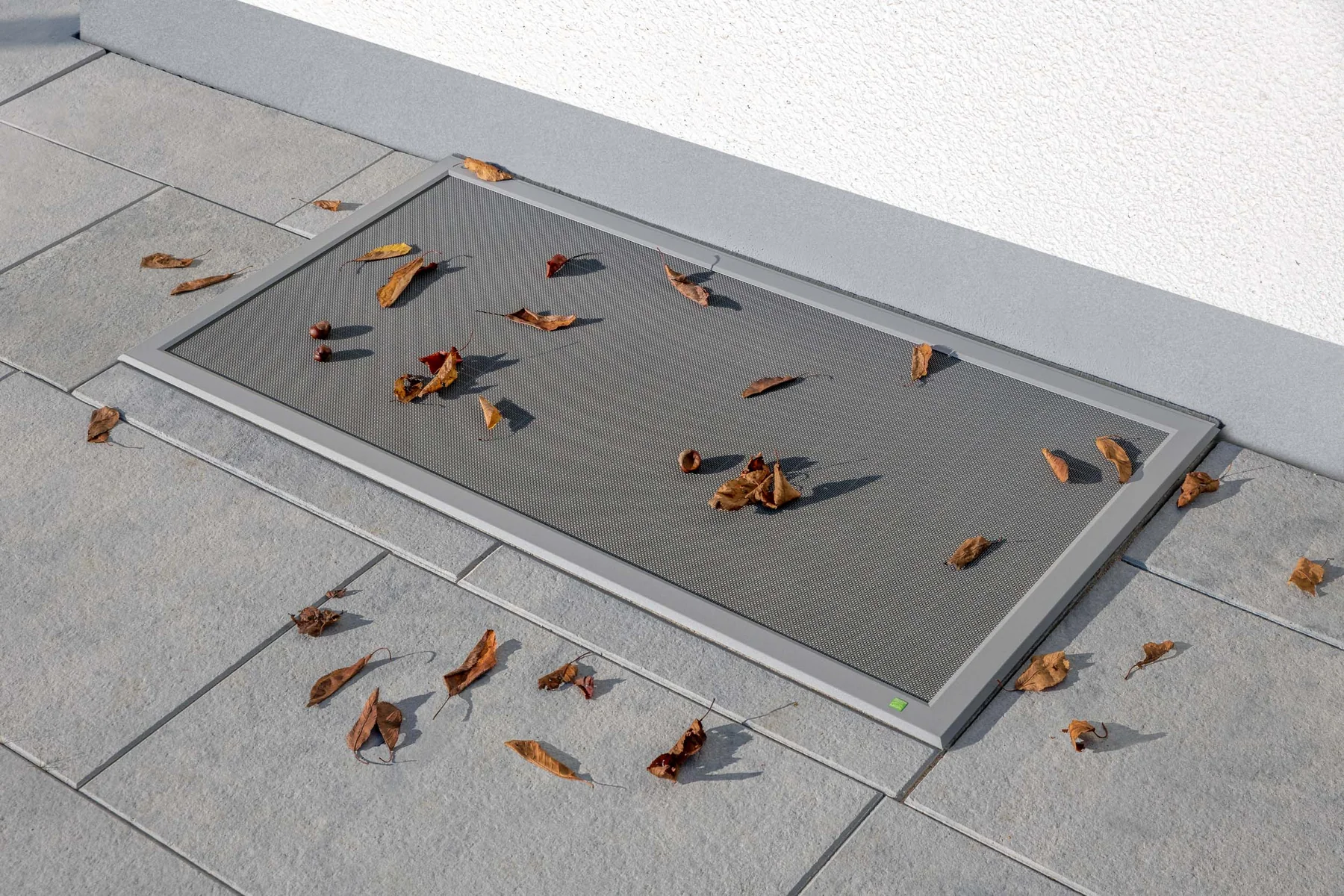
01 · existing grating
LiSA
This slimline cover is fitted to the existing grating. It keeps out insects, leaves and dirt while continuing to let light and air into the basement.
- for existing light well gratings
- low-profile, discreet design
- durable mesh
- easier to clean than an open light well
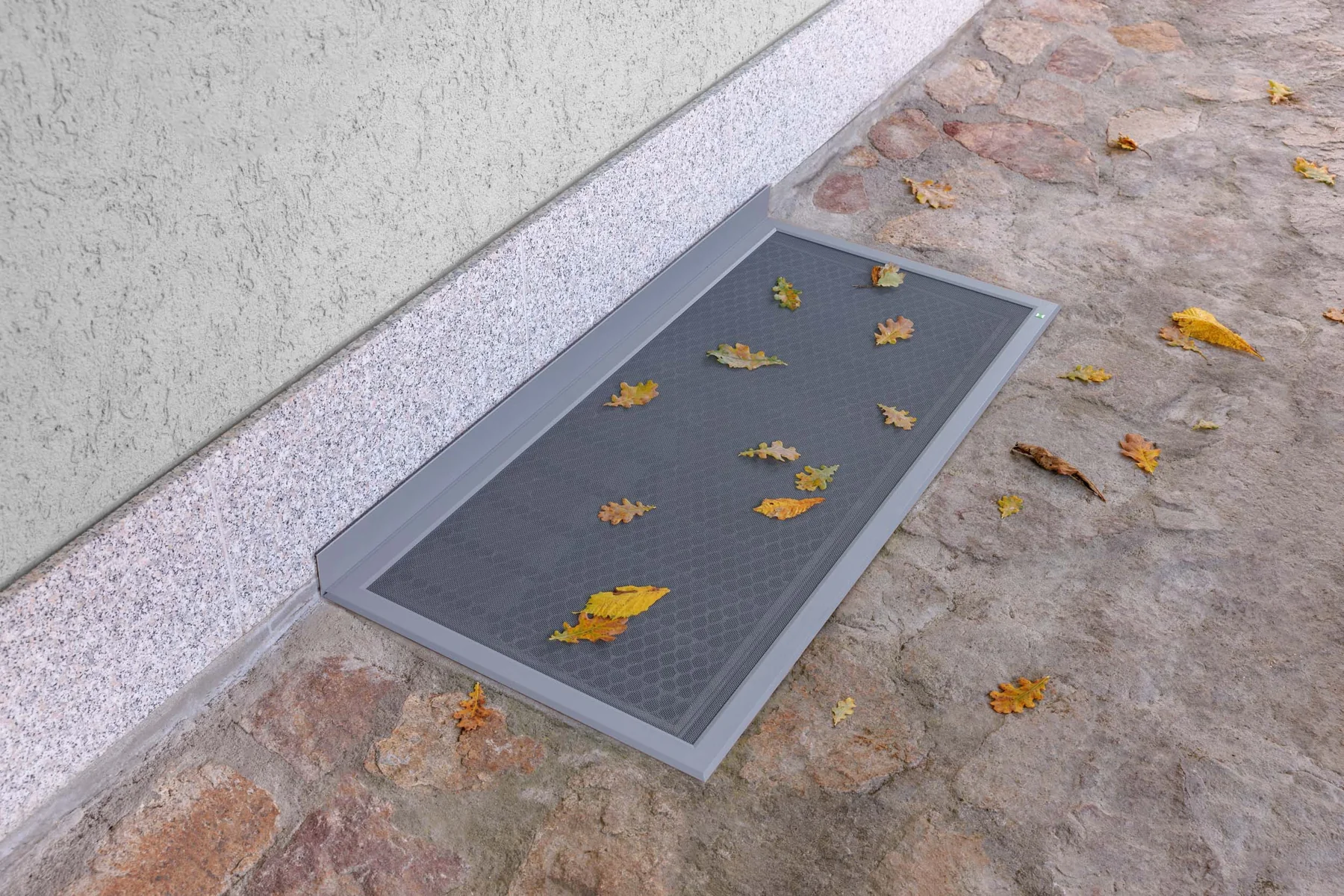
02 · complete insert
ELSA
If the entire grating needs replacing, rather than just the mesh, ELSA is used as a ready-made insert.
- including its own grating system
- for refurbishment and replacement
- can be secured against unauthorised lifting
- made to measure for the existing light well
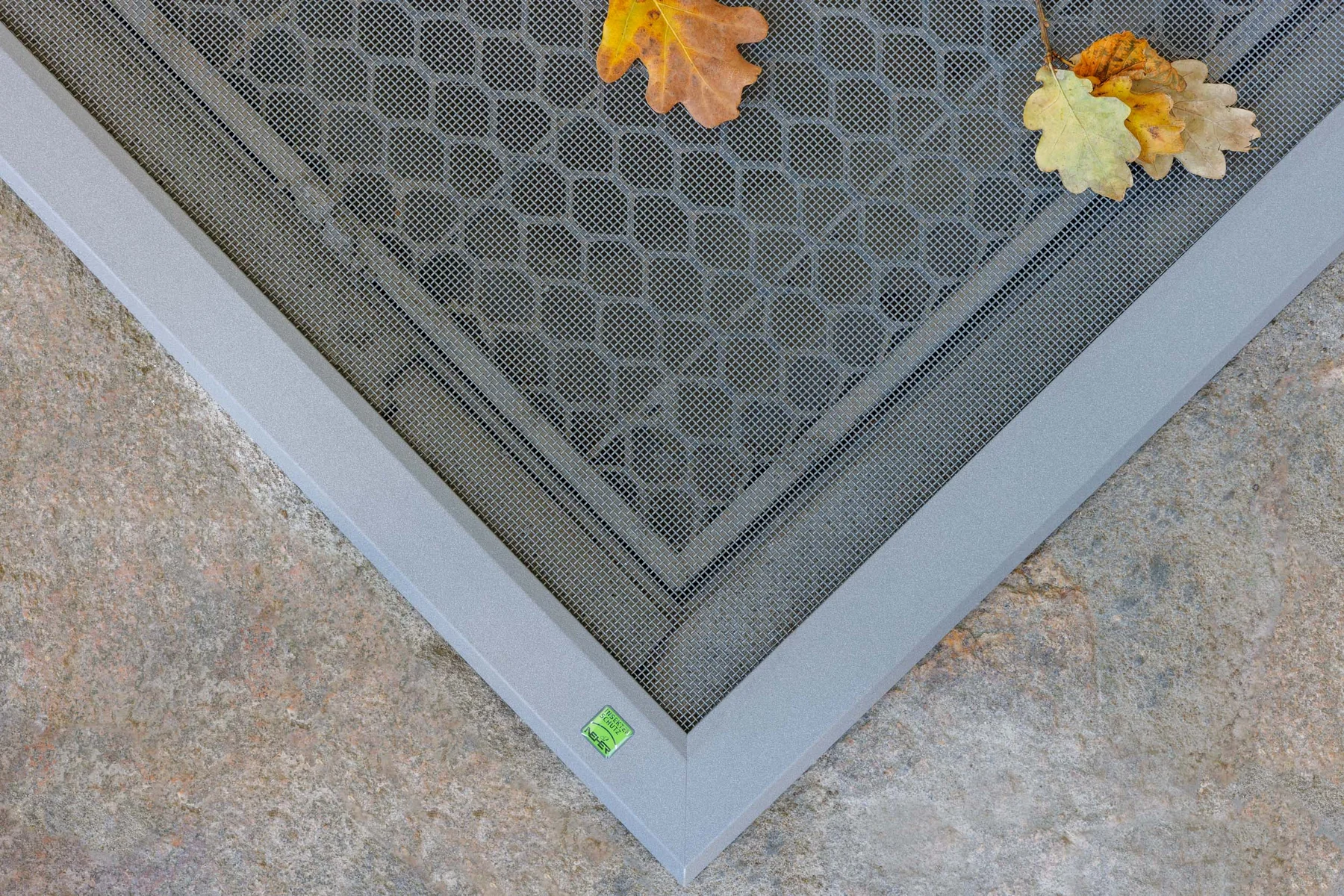
03 · additional rain protection
RESi
The rainproof version provides additional protection against rainwater, while its design allows ventilation.
- Protection against leaves and insects
- Additional protection against rain
- Allow for light well ventilation
- Especially suitable for exposed light wells
04 · Patio
TERRESA
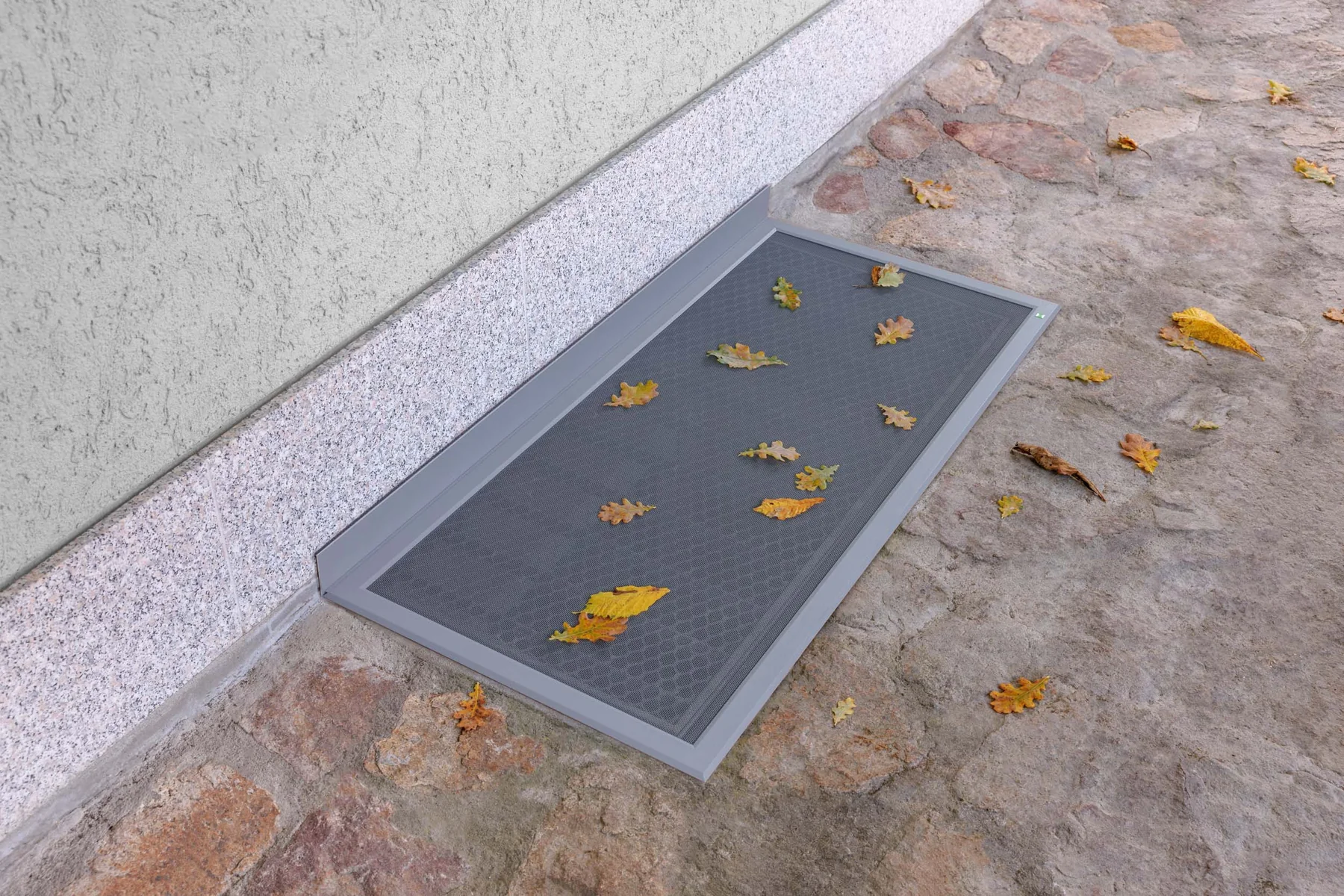
For light wells in patios and paved areas. The solution is tailored to the paving, build-up height and surrounding surface, keeping the light well protected and ensuring it blends neatly into the area.
- for patio areas
- tailored to the paving and build-up
- neat visual integration
- Protection against dirt and small animals
Surface finish & safety
Integration into the building matters for light wells too.
Appearance
Frame colours
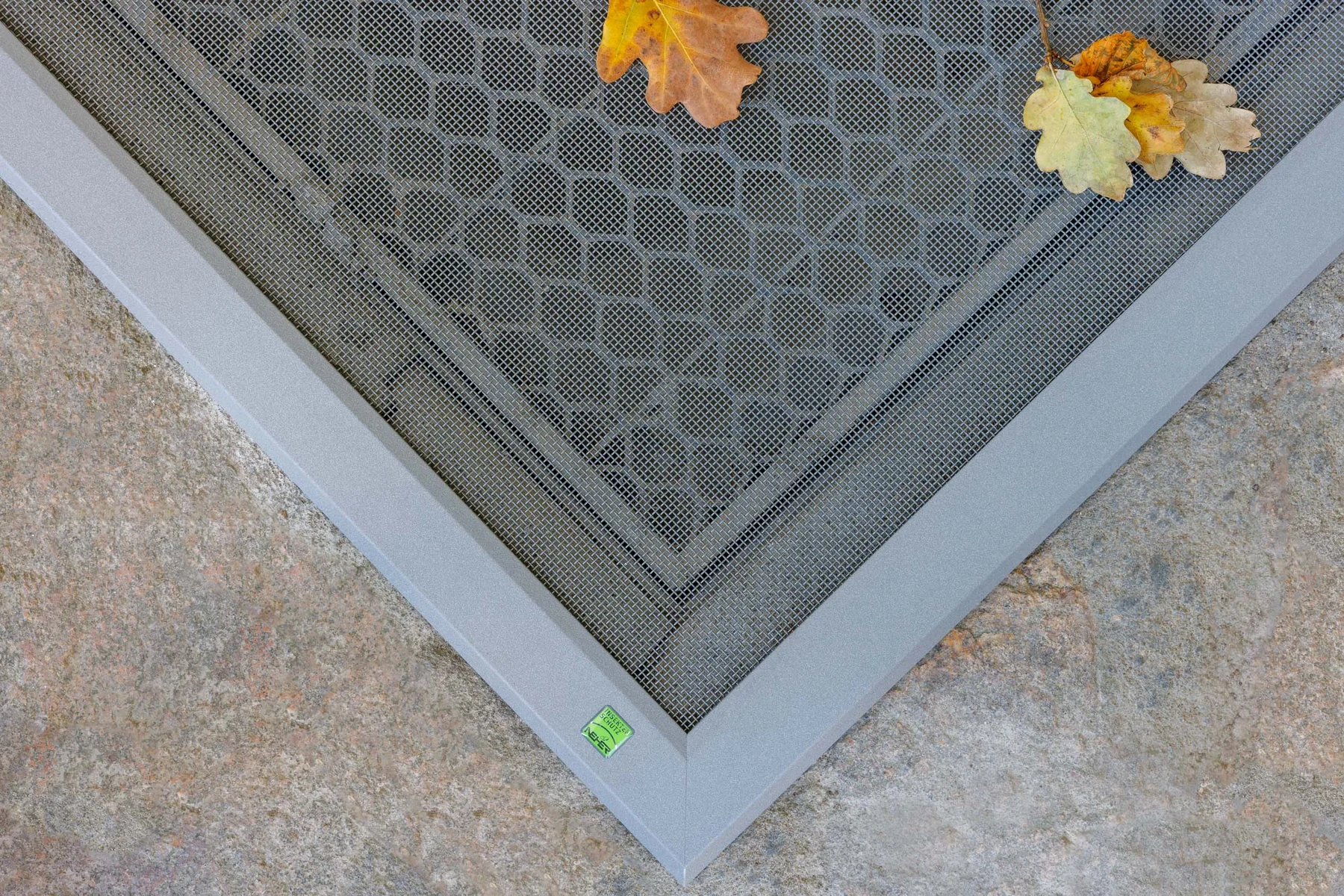
The profile colour and finish are matched to the plinth, windows, grating and adjoining surfaces. Visual integration is part of the planning, particularly in prominent patio or entrance areas.
Security
Making unauthorised lifting more difficult
Depending on the light well and system, an additional security measure may be advisable. During the site survey, we therefore assess not only protection against insects and debris, but also accessibility and security requirements.
Installation principles
Four products – four different installation scenarios.
For light wells, installation is an integral part of the product. The existing grating, the desired flush finish, rain protection and patio construction determine the choice of system.
LiSA
On the existing grating
The low-profile cover is fitted onto the existing grating. Ideal when the grating is to be retained and a slim cover providing protection against debris and small animals is sufficient.
ELSA
A complete unit in place of the old grating
ELSA replaces the existing grating as a complete insert and can be fitted flush with the top of the light well.
RESi
Rain protection with ventilation
The rainproof cover is planned to suit the light well and its junction with the façade; ventilation and water drainage are key considerations.
TERRESA
An insert within the decking surface
For light wells in timber decking and comparable surface constructions. The opening, construction height and junction with the surrounding surface are coordinated with millimetre precision.
Planning details
More than just insect protection.
Suitability for walking on, rain, debris and security play a greater role for light wells than for windows. The choice of system therefore always depends on the specific installation conditions.
survey the existing grating and light well
assess exposure to rain and drainage conditions
consider suitability for walking on and the junction with the patio or decking
plan for the cover to be secured if required
Light well
A photo taken from above is enough to get started.
Take photos of the grating, edge and surrounding area. During the site survey, we will determine which system is suitable.