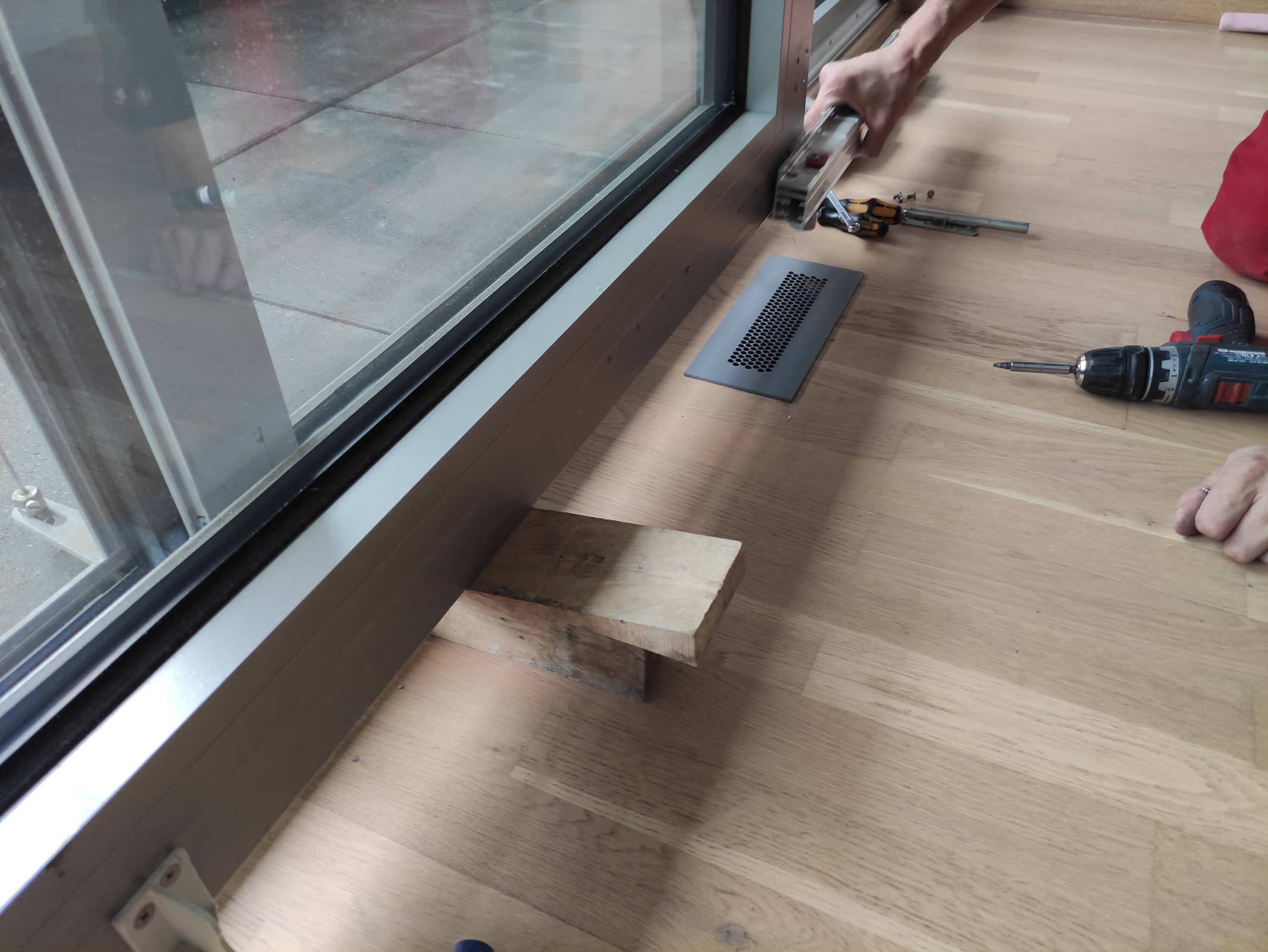
PSK door repairs · Luxembourg
Is your PSK tilt-and-slide door sticking, not tilting properly or difficult to close?
PSK stands for Parallel-Schiebe-Kipp, meaning parallel slide and tilt. In this system, the roller carriages, tilt stays, corner drives, handle and locking mechanism work together. PLANIGRAPH inspects PSK doors from all manufacturers and carries out targeted repairs where retaining the existing structure is a practical option.
All brands
From Biwer, serving Luxembourg
Your service. Our craftsmanship.
Your enquiry
What is no longer working properly on your PSK door?
Select the problem. Photos of the entire door, the handle and the lower track area help us make an initial assessment.
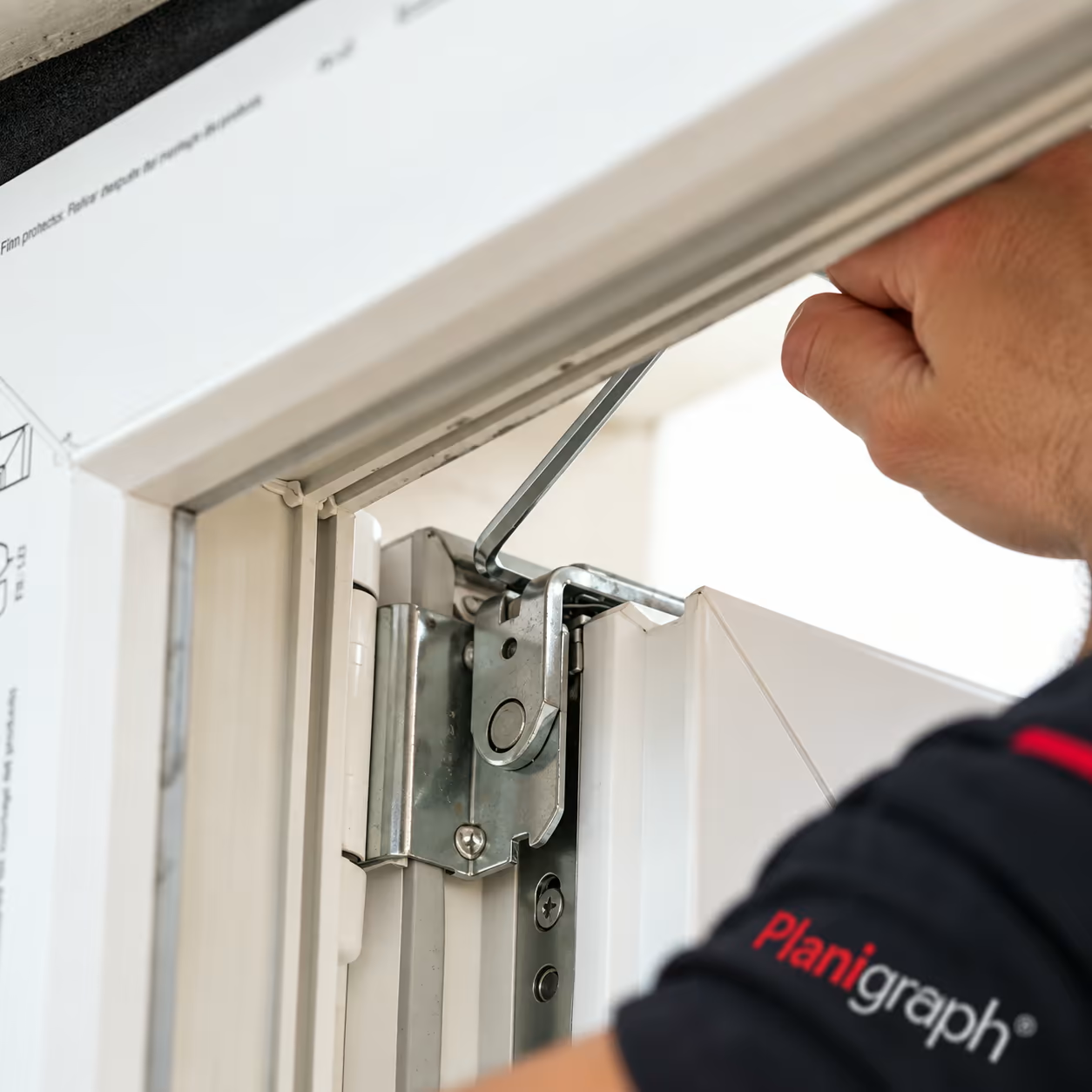
Door sticks or is difficult to operate
Check the roller carriages, rollers, track and sash adjustment as possible causes.
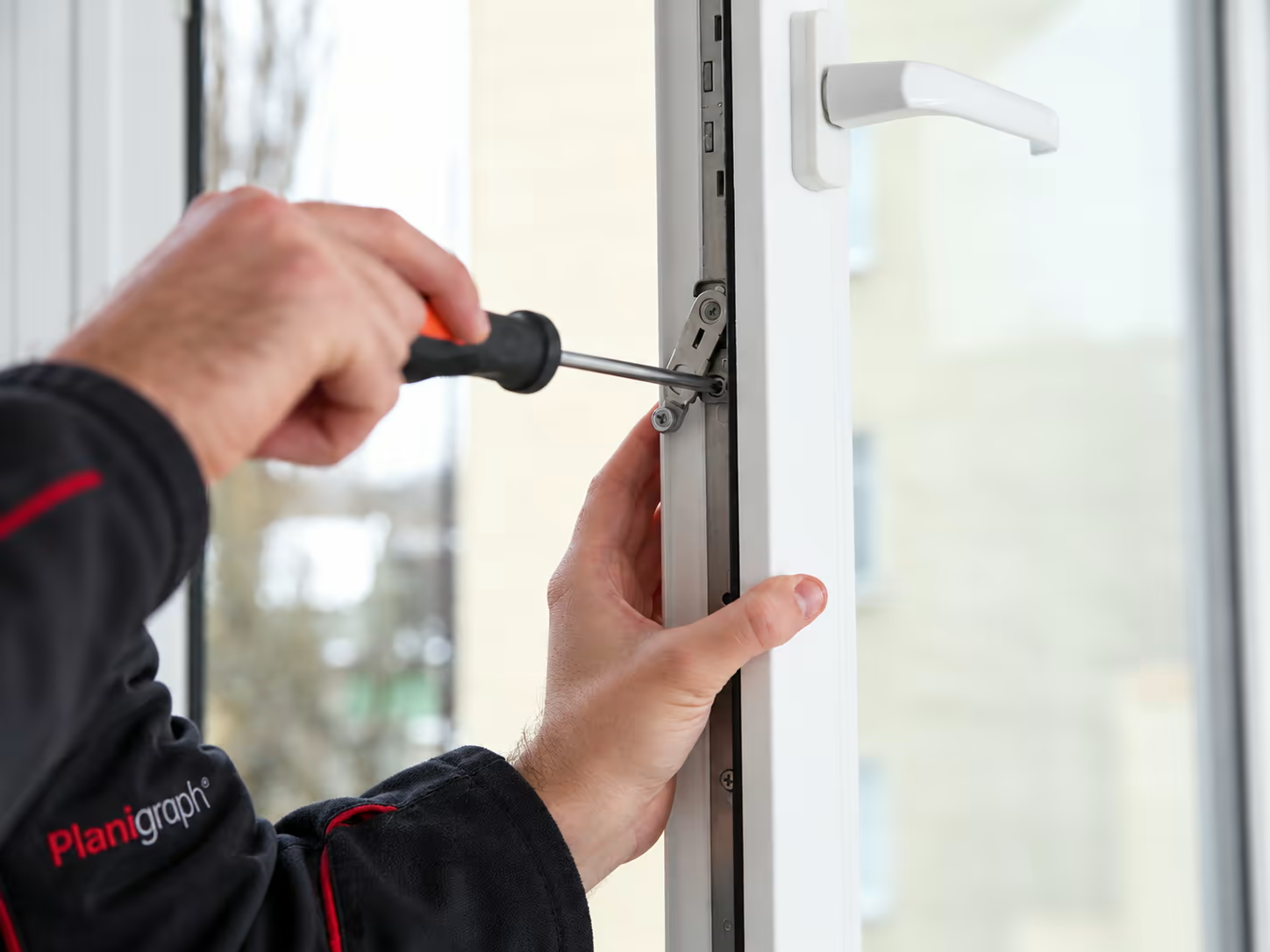
Tilt function not working properly
Check the tilt stays, corner drive and movement of the hardware.
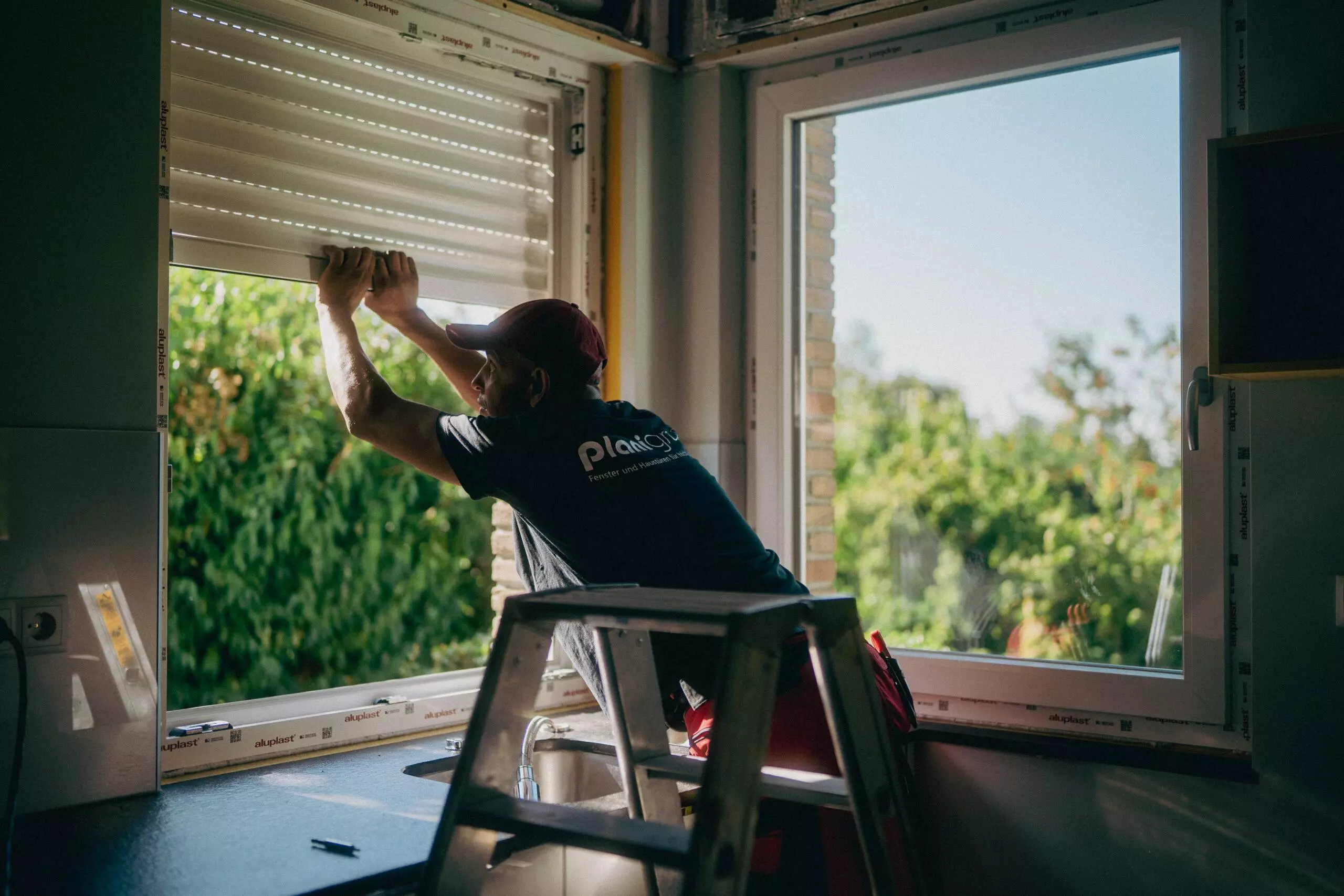
Handle or locking mechanism
Assess the PSK handle, gearbox and locking points.
Draughts or seals
Assess the closing pressure, sash position and condition of the seals.
Understanding PSK technology
A PSK door is more than a simple sliding sash.
When the door is opened, the hardware moves the sash out of its sealed position before it slides parallel to the frame. Several mechanical assemblies therefore depend on one another. A faulty roller carriage can consequently cause different symptoms from a faulty tilt stay or corner drive.
- Check and clean the roller carriages and rollers
- Check the tilt stays and corner drives for wear
- Check that the handle, gearbox and locking cams work correctly
- Adjust the sash and check the closing pressure
Repairs & maintenance
These components determine how the system works.
The old PLANIGRAPH PSK page lists roller carriages, tilt stays, corner drives, the handle, seals, rollers and carriage stops. We deliberately retain this level of technical detail.
01
Roller carriages & rollers
Stiff operation, sticking or uneven movement may be caused by the running gear. Its condition, dirt build-up and wear are checked.
02
Tilt stays & corner drive
Tilting and closing require correctly functioning stays and corner drives. Faulty parts can disrupt the entire operating sequence.
03
Handle & gearbox
If the handle jams or its position does not match the sash movement, the handle, gearbox and interconnected hardware are assessed together.
04
Seals & adjustment
Closing pressure, sash position and seals affect ease of closing, draughts and the load on the mechanism.
A closer look at the hardware & mechanism
Small components move a large sash.
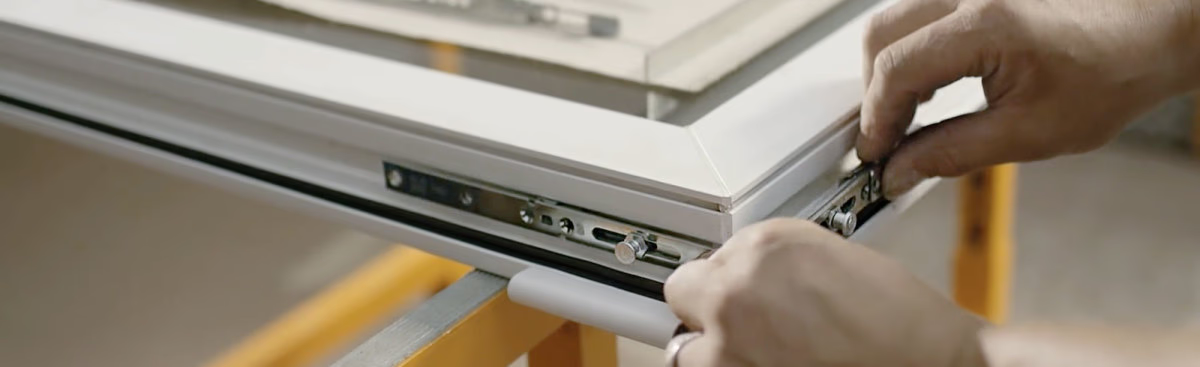
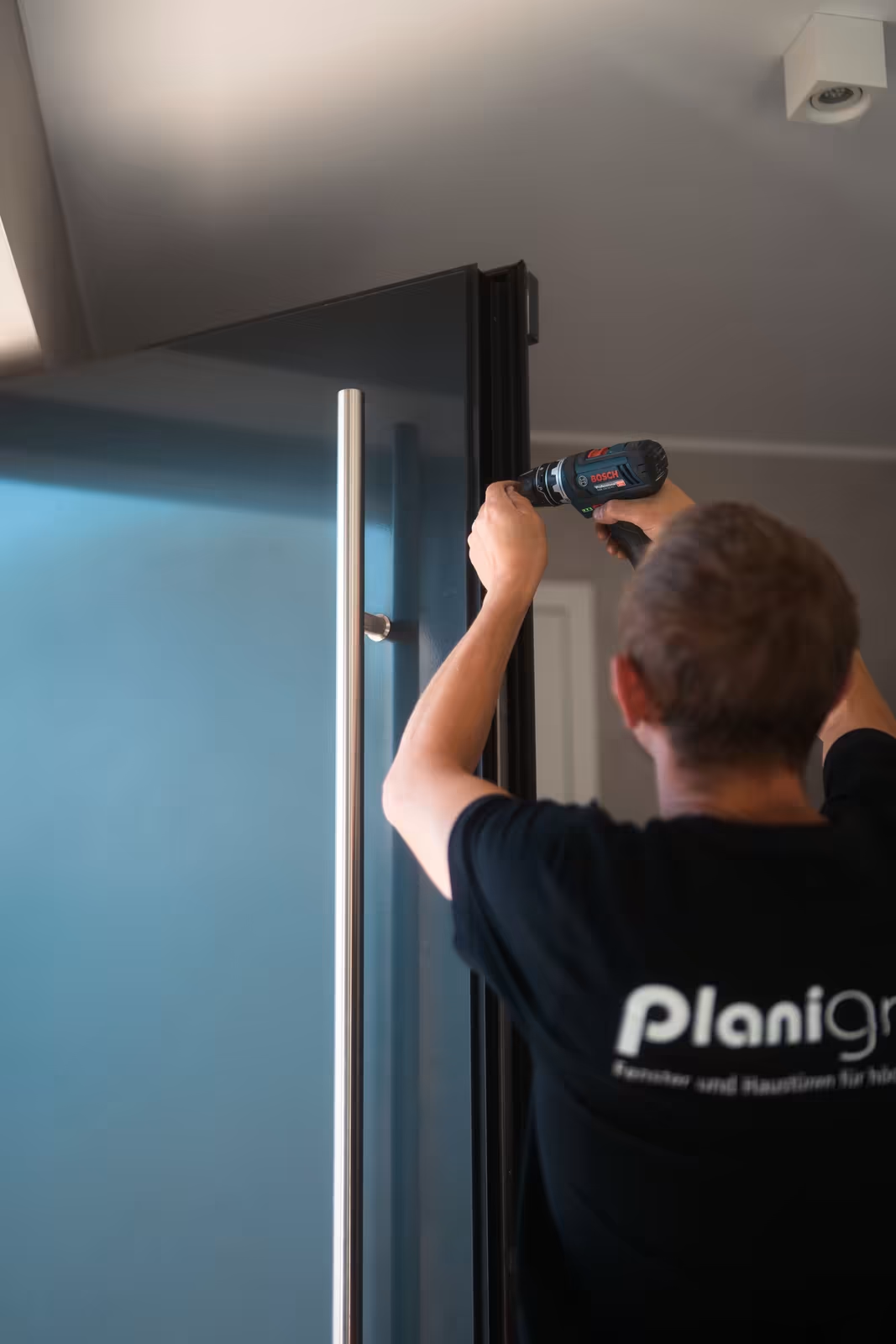
Good close-up photos help with tilt-and-slide door repairs – particularly photos of the running gear area, handle, visible hardware components and manufacturer markings.
Hardware and adjustment
Glazing and glazing rebate

Locking points and retrofitting
Repair rather than replace prematurely
It is often possible to replace specific parts of the mechanism rather than the entire unit.
Repair is worth considering
If the frame, sash and glazing are in good condition, roller carriages, stays, the handle, seals or individual hardware components can be replaced separately, depending on the system.
Replacement remains an option
If the structure is severely worn or spare parts are unavailable, a new unit may be a more economical and longer-lasting solution.
Service process
From a photo to a transparent repair process.
01
Enquiry
Send details of the problem, photos and your contact details.
02
Assessment
We assess the door type, the likely cause and the preparation required.
03
Appointment
We plan the visit to suit the scope of work, access and urgency.
04
Work carried out
The technician inspects the window on site, carries out repairs once approved and documents the result.
Properties & larger installations
Assess several tilt-and-slide doors together.
For property managers, residential complexes, businesses and public-sector clients, multiple doors can be recorded by location, fault symptoms and priority.
- Record doors and rooms systematically
- Collect manufacturer markings and photos in advance
- Distinguish between maintenance and repair needs
- Coordinate the visit around building use and the relevant contacts
Well prepared
Your questions before the service appointment.
How do I recognise a tilt-and-slide door?
PSK is the German abbreviation for parallel tilt-and-slide. The movable sash can typically be tilted and is moved out of the sealing plane to slide. If you are unsure, our Sliding Door Repairs page can help you identify the type.
What should I photograph?
Please photograph the whole door, the handle and its position, the lower running track area and any visible hardware or manufacturer markings. Do not remove any covers to take the photos.
Can just the roller carriage be replaced?
Depending on the system and the availability of spare parts, an individual component may be replaced. First, it is necessary to check whether other hardware components or the adjustment contributed to the damage.
What are typical wear parts on tilt-and-slide doors?
Roller carriages, rollers, tilt stays, corner drives, handles, locking keeps, seals and roller carriage stops are among the components frequently subjected to stress.
Can a tilt-and-slide door be repaired after a break-in?
This depends on the damage to the frame, sash, hardware and glass. Break-in damage is assessed separately to determine whether repairs are possible.
Is maintenance worthwhile?
Regular inspection, cleaning, lubrication and adjustment can reveal wear early and prevent unnecessary consequential damage.
Suitable options
Servicing, repairs and sensible alternatives go hand in hand.
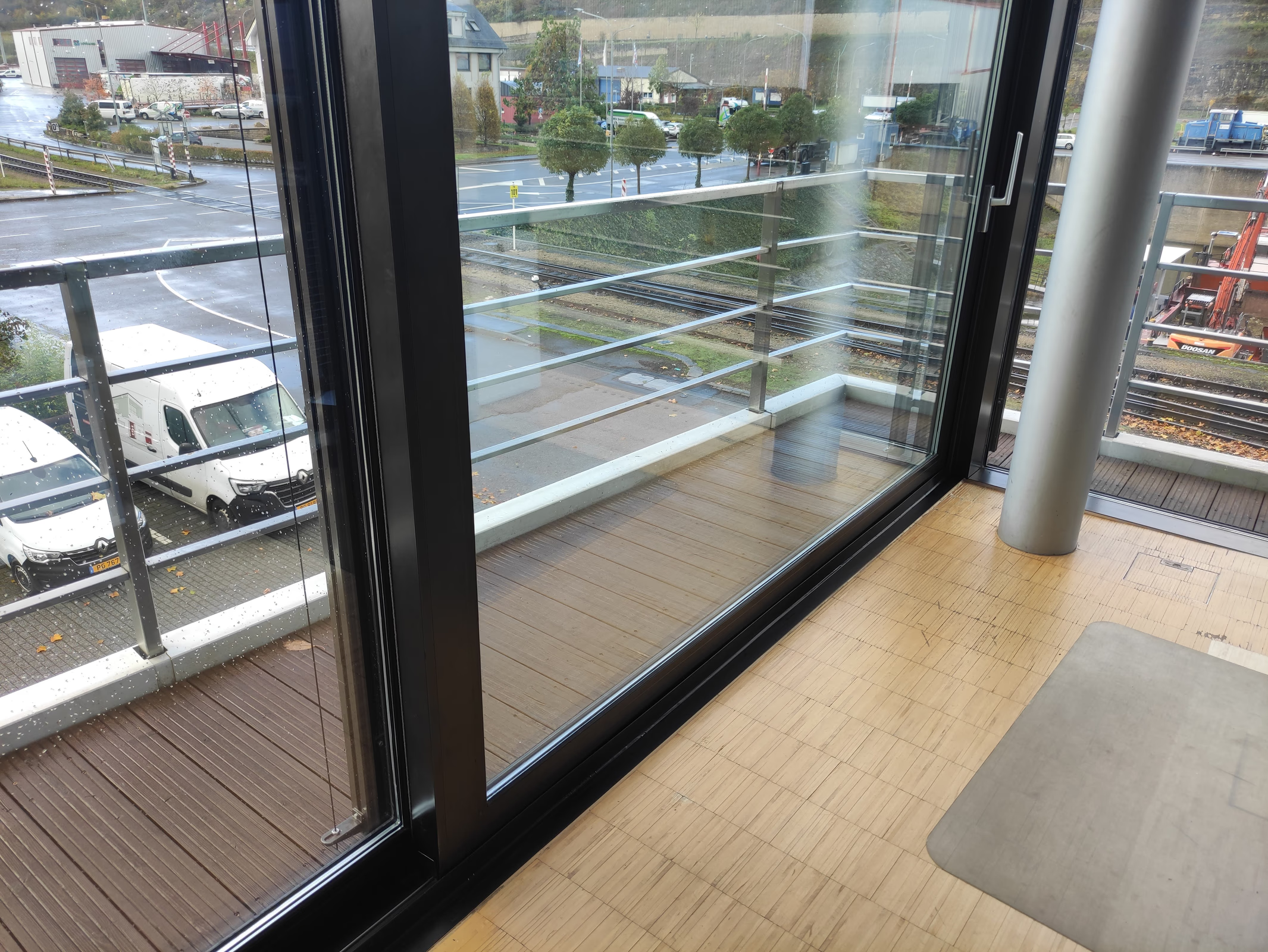
Sliding door repairs
PSK tilt-and-slide or lift-and-slide door? Identify the door type correctly first.
Lift-and-slide door repair
Servicing for heavy lift-and-slide door sashes.
Glass Repair & Replacement
Assess glass damage to sliding doors separately.
Window repairs
Repair window hardware, seals and locking mechanisms.
Your service. Our craftsmanship.
Get your PSK tilt-and-slide door moving and closing smoothly again.
A photo, a brief description and your contact details are enough for an initial technical assessment.